
Louis Allis Knowledge Hub
Electric Motor Industry Insights & Technical Articles
Discover technical knowledge, motor maintenance guides, engineering innovations, and industry updates from our team of specialty electric motor experts.
Blog
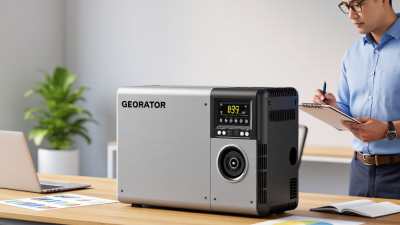
7 Tips for Buying Georator Frequency Converters
I can write the introduction, but no source articles or verifiable expert quotation were provided. Please share an expert’s name and an authentic quote, or allow me to use an clearly labeled original editorial quote rather than attribute invented words to a real person.
Read more »
 By:Evelyn
- November 2, 2026
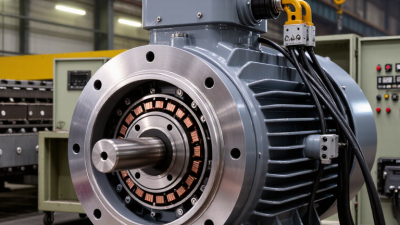
Why Choose Large DC Motors for Industrial Applications?
Why Choose Large DC Motors for Industrial Applications?
Large DC Motors remain valuable in industries that demand high starting torque, steady speed control, and dependable mechanical output. They are commonly used in rolling mills, cranes, hoists, conveyors, mining equipment, and heavy processing lines. Their torque response is especially useful when machines start under substantial loads. A loaded conveyor does not forgive weak acceleration.
These motors also offer practical control advantages. Operators can adjust speed smoothly through suitable drive systems. This helps manage changing production conditions and reduce mechanical shock. In many installations, experienced maintenance teams value their accessible construction. Brushes, commutators, bearings, and cooling paths can be inspected directly. That visibility supports planned maintenance, though it also creates additional service duties.
The choice is not automatic. Large DC Motors may require brush replacement, careful commutator inspection, and protection from conductive dust or moisture. Modern AC systems can be simpler in some applications. However, a well-designed DC installation may still provide strong performance where precise torque control matters most. Engineers should examine load profiles, duty cycles, ambient temperature, enclosure ratings, drive compatibility, and spare-parts availability. Small details matter.
A practical assessment should include real operating data, not only catalog ratings. Measure starting current, shaft load, vibration, and temperature during representative shifts. Review the motor’s maintenance history. That record may reveal more than a sales brochure. Reliable decisions combine manufacturer documentation, qualified technical inspection, and operator experience. Even then, uncertainty remains. Industrial equipment rarely behaves perfectly. Careful evaluation reduces that risk.
Read more »
By:Evelyn
- October 28, 2026
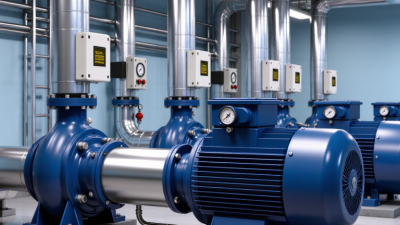
2026 How to Choose Horizontal Pump Motors
Choosing Horizontal Pump Motors in 2026 requires more than comparing nameplate horsepower and purchase price. Motor-driven systems consume about 53% of global electricity, according to the International Energy Agency. Industrial motors represent an even larger efficiency opportunity. Small selection errors can create years of excess heat, vibration, and electricity use.
A reliable evaluation begins with the pump curve, not the motor catalogue. Confirm flow, total dynamic head, fluid temperature, viscosity, starting method, duty cycle, and installation altitude. Then check motor efficiency, service factor, enclosure, insulation class, bearing design, and variable-frequency-drive compatibility. The U.S. Department of Energy’s Improving Pumping System Performance guidance also stresses system-level assessment. A highly efficient motor cannot rescue an oversized impeller or a throttled discharge valve.
System context matters.
Dr. Lev Nelik, a recognized pump-engineering author and consultant, offers a practical warning: “Pump selection is a system decision, not merely a pump decision.” That principle should guide every Horizontal Pump Motors specification. Reviewers should examine real operating data, including suction pressure, discharge pressure, vibration readings, and monthly kWh. A motor running far below its best efficiency region may look acceptable during commissioning. It may perform poorly after several seasons. That uncomfortable possibility deserves attention.
The 2026 decision should balance efficiency, reliability, maintenance access, controls, and lifecycle cost. IEC 60034 efficiency classes and Hydraulic Institute recommendations provide useful reference points. Still, field conditions can defeat neat calculations. Verify assumptions before ordering.
Read more »
 By:Amelia
- October 23, 2026
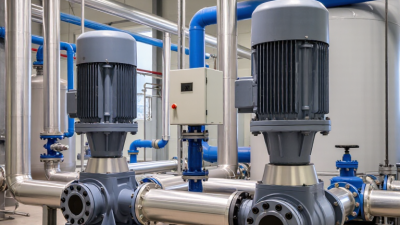
Why Choose Vertical Pump Motors for Global Applications?
Why Choose Vertical Pump Motors for Global Applications?
Across water, power, irrigation, and process industries, Vertical Pump Motors support equipment that often operates continuously. Their vertical arrangement saves valuable floor space and suits deep-well, turbine, mixed-flow, and multistage pump systems. In crowded municipal stations, this can leave clearer access around valves and pipelines. It also places the motor above potential flood levels, although site design still matters.
The U.S. Department of Energy reports that pumping systems can represent nearly 20% of industrial electricity consumption. Its Improving Pumping System Performance sourcebook also identifies major savings through efficient equipment, proper sizing, and system optimization. The International Energy Agency has similarly emphasized that electric motor systems consume more than half of global electricity. These figures explain why motor efficiency matters beyond the purchase price. A few percentage points can become substantial energy costs over years of operation.
As pump specialist Igor J. Karassik stated, “The pump is the heart of any fluid-handling system.” Vertical Pump Motors extend that principle by combining mechanical alignment, compact installation, and dependable torque delivery. They can simplify maintenance in some installations, but they are not automatically the best choice. Thrust loads, lubrication, vibration, ambient temperature, grid standards, and local service capability require careful review. Global projects also face different voltage, frequency, enclosure, and efficiency requirements. Reports provide useful direction, not a finished design. That is where engineering experience becomes decisive. A technically correct motor can still disappoint when commissioning data, spare parts, or operator training receive too little attention.
Read more »
By:Amelia
- October 18, 2026

Top Winch and Hoist Motors Manufacturers Worldwide?
Choosing among the top Winch and Hoist Motors manufacturers worldwide requires more than comparing brand names. These motors power cranes, shipyard winches, mining systems, and warehouse lifting equipment. Their performance affects load control, operating speed, maintenance costs, and worker safety.
Konecranes President and CEO Anders Svensson has described the company’s direction with the phrase, “Our purpose is to shape the future of lifting.” That view reflects a wider industry shift. Leading manufacturers now combine high-efficiency motors with variable-frequency drives, thermal protection, digital monitoring, and precise braking systems. A motor may appear compact, yet it can manage several tonnes in a humid port or a dusty factory.
Real operating conditions matter.
This guide examines global manufacturers through engineering capability, product reliability, service coverage, customization, and documented industry experience. It considers established companies such as Konecranes, Columbus McKinnon, Demag, NORD, WEG, and other influential suppliers. Their strengths are not identical. One may excel in heavy-duty crane systems, while another offers stronger motor integration or regional support.
A perfect ranking is difficult. Applications differ. A coastal shipyard needs corrosion resistance, while an indoor warehouse may prioritize compact dimensions and low noise. Published specifications also cannot reveal every maintenance challenge. That limitation deserves attention. Buyers should verify duty class, brake performance, enclosure rating, duty cycle, spare-parts access, and local technical support before selecting a supplier.
The following overview compares the manufacturers shaping the Winch and Hoist Motors market, with practical details for engineers, procurement teams, and equipment owners.
Read more »
By:Amelia
- October 13, 2026
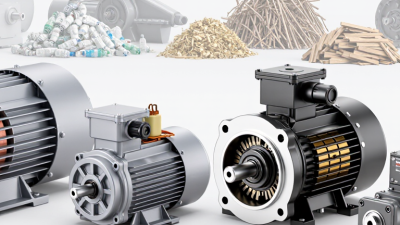
What Are the Main Types of Shredder Motors?
Shredder Motors determine how steadily a machine handles paper, wood, plastics, metals, or mixed feedstock. Their torque, speed, cooling method, and duty rating directly affect cutting performance. A motor that looks powerful on paper may struggle when material enters unevenly. Real operating conditions matter.
This guide introduces the main motor types used in industrial and commercial shredders. Three-phase induction motors remain common because they are durable, widely supported, and suitable for continuous workloads. Single-phase motors can serve smaller machines, although their starting torque and thermal capacity may be limited. Synchronous motors, including permanent-magnet designs, can offer precise speed control and improved efficiency, but their higher purchase price may require careful justification. Some heavy-duty shredders use hydraulic drives. These systems can produce strong low-speed torque and tolerate sudden load changes, yet they need pumps, fluid management, and trained maintenance.
The details matter.
Motor selection should match shaft speed, gearbox ratio, cutter design, material density, and expected operating hours. Variable-frequency drives can adjust speed and soften startup, reducing mechanical shock in suitable systems. However, incorrect settings may cause overheating or unstable operation. Manufacturer data, verified load calculations, and service records provide stronger evidence than marketing labels. An experienced operator will also watch vibration, unusual noise, temperature rise, and current draw.
A simple type-based comparison can be useful, but it is not perfect. Two shredders with identical motors may perform differently because their cutters, gearboxes, and control systems are not the same. Understanding these differences helps buyers, engineers, and maintenance teams choose Shredder Motors with greater confidence and fewer costly assumptions.
Read more »
By:Amelia
- October 8, 2026
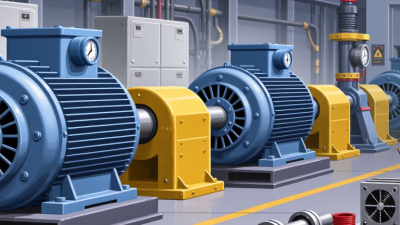
China Top Pulverizer Motors Manufacturers Suppliers?
Selecting reliable Pulverizer Motors requires more than comparing horsepower and price. These motors drive demanding systems that crush coal, minerals, biomass, and other materials under continuous mechanical stress. Heat, vibration, dust, uneven loading, and frequent starts can quickly expose weak designs. Buyers must examine torque, insulation class, cooling method, enclosure rating, efficiency, shaft strength, bearing life, and service support.
Dr. Anil Chatterjee, an industrial motor specialist, offers a practical reminder: “A pulverizer motor must match the real load, not merely the brochure rating.” That point matters when comparing China’s leading manufacturers and suppliers. A 500 kW motor may appear suitable, yet the wrong starting torque can cause trips, belt stress, or premature coupling damage. Small details matter.
This guide reviews manufacturers through an engineering and purchasing lens. It considers factory experience, testing procedures, customization capacity, delivery reliability, documentation, and after-sales assistance. It also looks beyond impressive websites. A supplier should provide credible test records, clear dimensional drawings, protection details, and traceable quality controls. Claims need evidence.
Still, no ranking is perfect. Project conditions differ. A supplier successful in cement production may not suit a biomass pulverizing line. Local voltage, ambient temperature, altitude, and maintenance skills can change the final decision. Buyers should request technical data and inspect references before signing an order. The cheapest option can become expensive. Careful comparison remains essential when choosing Pulverizer Motors for stable, efficient, and safer operation.
Read more »
By:Evelyn
- October 3, 2026
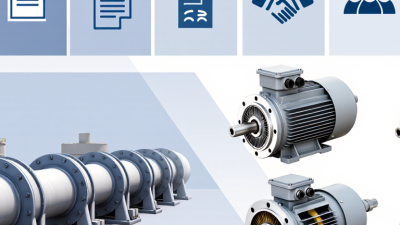
Top 10 Kiln Drive Motor Suppliers in China
China remains a major cement-producing market, and kiln reliability directly affects output, energy use, and maintenance planning. China’s National Bureau of Statistics reported approximately 2.02 billion tonnes of cement production in 2023. The International Energy Agency estimates that cement production accounts for around 7% of global carbon dioxide emissions. These figures give useful context: equipment choices matter. Kiln Drive Motors are not interchangeable catalog items. They must provide steady torque under heavy loads and long operating cycles, often amid heat, dust, and vibration. Small details matter. Shaft alignment, cooling arrangements, insulation, gearbox compatibility, and access to local service can influence performance over the motor’s lifetime. A high power rating alone tells only part of the story.
This guide introduces ten suppliers in China and highlights factors buyers can compare, including product range, engineering support, customization, documentation, and after-sales service. IEC 60034 provides relevant standards for rotating electrical machines, but standards compliance does not replace application-specific checks. Buyers should verify operating conditions, starting requirements, duty ratings, and the supplier’s experience with kiln installations. No shortlist is perfect. Public product information can be incomplete, and supplier capabilities may change; direct technical discussions and reference checks remain important. The aim here is a practical starting point, not an unsupported endorsement or a guarantee of fit. A kiln drive is a system decision, not merely a motor purchase.
Read more »
 By:Clara
- September 28, 2026
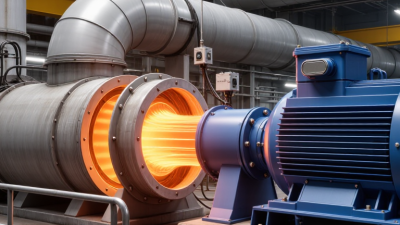
How to Choose Induced Draft Fan Motors?
Choosing Induced Draft Fan Motors requires more than matching horsepower to a fan nameplate. These motors operate in demanding environments, often handling hot gases, dust, vibration, and continuous thermal loads. A poor selection may cause overheating, unstable airflow, or premature bearing failure. The U.S. Department of Energy identifies motor-driven systems as a major industrial energy opportunity, while the International Energy Agency reports that electric motor systems consume roughly 40% of global electricity. Efficiency matters.
The correct decision begins with operating conditions. Check airflow, static pressure, gas temperature, altitude, duty cycle, starting torque, and speed-control requirements. A motor serving a steel furnace may need different insulation and cooling than one used in a commercial boiler room. NEMA MG 1 guidance helps engineers evaluate motor construction, temperature rise, service factors, and application suitability. AMCA testing practices also emphasize measuring fan performance under realistic field conditions, not relying only on catalog values. Catalog values can mislead.
Variable frequency drives may reduce energy use during changing demand, but they also introduce harmonics, bearing-current risks, and cooling concerns at low speed. The U.S. DOE’s fan-system guidance recommends examining the entire system rather than selecting a motor in isolation. That approach is practical, yet sometimes overlooked.
This guide explains how to compare motor efficiency, enclosure type, insulation class, protection level, and maintenance needs. It also considers compliance, lifecycle cost, and supplier documentation. Real installations are rarely perfect. Dust levels change, sensors drift, and operators may run equipment outside its design point. A reliable choice leaves room for those realities.
Read more »
By:Amelia
- September 23, 2026
10 Tips to Choose the Best Dredge Motors
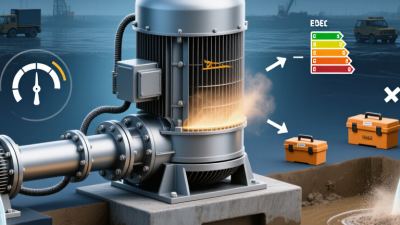
Selecting the right Dredge Motors is a practical engineering decision, not a simple horsepower comparison. A motor may look strong on paper yet struggle with abrasive slurry, frequent starts, or unstable power supplies. The U.S. Army Corps of Engineers, in EM 1110-2-5025, emphasizes matching dredging equipment with material characteristics, production targets, and site conditions. That principle should guide every motor purchase.
Energy use also deserves closer attention. The International Energy Agency has reported that electric motor-driven systems represent a major share of global electricity consumption, especially across industrial operations. The U.S. Department of Energy similarly identifies motor systems as a significant industrial energy burden. For dredging contractors, small efficiency losses can become substantial costs after thousands of operating hours. A motor running beside a muddy settling pond may face heat, vibration, moisture, and restricted airflow. These details matter.
This guide presents 10 practical tips to choose the best Dredge Motors. It considers torque, duty cycle, efficiency, cooling, enclosure ratings, control systems, maintenance access, and lifecycle cost. PIANC guidance on dredging equipment also supports a whole-system approach, where pumps, drives, pipelines, and motors must work together. No checklist is perfect. Site data can be incomplete, and supplier claims require verification. That is where careful testing, documented performance curves, and experienced engineering judgment become essential. A cheaper motor may save money today. It may also create tomorrow’s downtime.
Read more »
By:Amelia
- September 18, 2026
Top Crusher Duty Motors for Global Buyers?
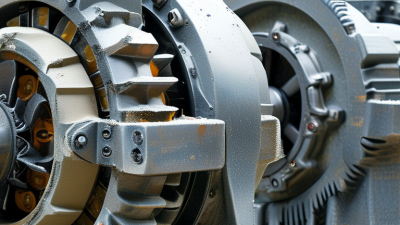
Choosing the right Crusher Duty Motors is a practical decision, not a simple catalogue comparison. These motors power demanding equipment in quarries, cement plants, recycling yards, and aggregate facilities. They face heavy starting loads, repeated impact, dust, vibration, and long operating hours. A reliable choice must match the crusher’s torque requirements, duty cycle, voltage, enclosure, and installation environment.
For global buyers, motor selection should begin with real operating conditions. A jaw crusher may need strong locked-rotor torque during material loading. A cone crusher may require steady power under changing feed conditions. In dusty areas, an appropriately protected enclosure can reduce contamination risks. Buyers should also verify cooling methods, insulation class, bearing design, service factor, and compatibility with variable-frequency drives. Small specification errors can create expensive downtime.
Field experience shows that nameplate power alone rarely tells the full story. Supplier documentation, test certificates, warranty terms, and regional service support deserve equal attention. Standards and certification requirements can differ between markets, so technical confirmation is essential. Not every premium motor suits every plant. Sometimes, an oversized model increases purchase and operating costs without improving performance.
The strongest purchasing process combines manufacturer expertise with site data, maintenance records, and qualified engineering review. Ask for starting current, acceleration time, ambient temperature limits, and recommended maintenance intervals. Check the details. They matter. This guide examines leading Crusher Duty Motors for international buyers, while acknowledging an important limitation: product availability, certification, and support can change by region and project size. Reliability is built through verified specifications, realistic expectations, and careful installation.
Read more »
By:Clara
- September 9, 2026
China Top Ball Mill Motors Manufacturers and Suppliers?
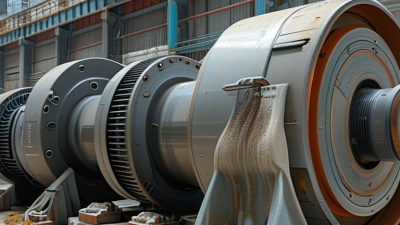
Choosing reliable Ball Mill Motors requires more than comparing prices or catalog photographs. China has a broad manufacturing base, including established motor producers, specialized industrial suppliers, and export-focused trading companies. Their products may serve cement plants, mining operations, ceramics factories, and mineral-processing lines. However, application conditions differ sharply. A motor driving a 3.2-meter mill faces different demands from one serving a small laboratory unit.
This guide examines China’s leading manufacturers and suppliers through practical engineering criteria. These include rated power, starting torque, voltage options, insulation class, enclosure protection, cooling design, bearing quality, and braking requirements. A suitable motor must tolerate continuous operation, dust, vibration, and frequent load changes. Site conditions matter. Altitude, ambient temperature, foundation quality, and maintenance skills can affect service life. Variable-frequency drive compatibility also deserves careful review, especially where speed control improves grinding efficiency.
Specifications can look impressive.
Yet documents do not replace verification. Buyers should request test reports, dimensional drawings, efficiency data, warranty terms, spare-parts support, and references from comparable installations. Factory audits or live video inspections may reveal details missed in brochures, such as assembly cleanliness or testing equipment. My experience suggests that communication quality often predicts project reliability. Still, this is not absolute. Even a responsive supplier may lack experience with a specific mill design. Therefore, this article compares manufacturers and suppliers with a balanced approach, recognizing both their strengths and possible limitations. The goal is not to promote one name blindly, but to help buyers select a dependable Ball Mill Motors partner for safe, efficient, and maintainable operation.
Read more »
By:Evelyn
- September 9, 2026