
Electric Motor Industry Insights & Technical Articles

Discover technical knowledge, motor maintenance guides, engineering innovations, and industry updates from our team of specialty electric motor experts.

0%

Choosing Horizontal Pump Motors in 2026 requires more than comparing nameplate horsepower and purchase price. Motor-driven systems consume about 53% of global electricity, according to the International Energy Agency. Industrial motors represent an even larger efficiency opportunity. Small selection errors can create years of excess heat, vibration, and electricity use.

A reliable evaluation begins with the pump curve, not the motor catalogue. Confirm flow, total dynamic head, fluid temperature, viscosity, starting method, duty cycle, and installation altitude. Then check motor efficiency, service factor, enclosure, insulation class, bearing design, and variable-frequency-drive compatibility. The U.S. Department of Energy’s Improving Pumping System Performance guidance also stresses system-level assessment. A highly efficient motor cannot rescue an oversized impeller or a throttled discharge valve.

System context matters.

Dr. Lev Nelik, a recognized pump-engineering author and consultant, offers a practical warning: “Pump selection is a system decision, not merely a pump decision.” That principle should guide every Horizontal Pump Motors specification. Reviewers should examine real operating data, including suction pressure, discharge pressure, vibration readings, and monthly kWh. A motor running far below its best efficiency region may look acceptable during commissioning. It may perform poorly after several seasons. That uncomfortable possibility deserves attention.

The 2026 decision should balance efficiency, reliability, maintenance access, controls, and lifecycle cost. IEC 60034 efficiency classes and Hydraulic Institute recommendations provide useful reference points. Still, field conditions can defeat neat calculations. Verify assumptions before ordering.
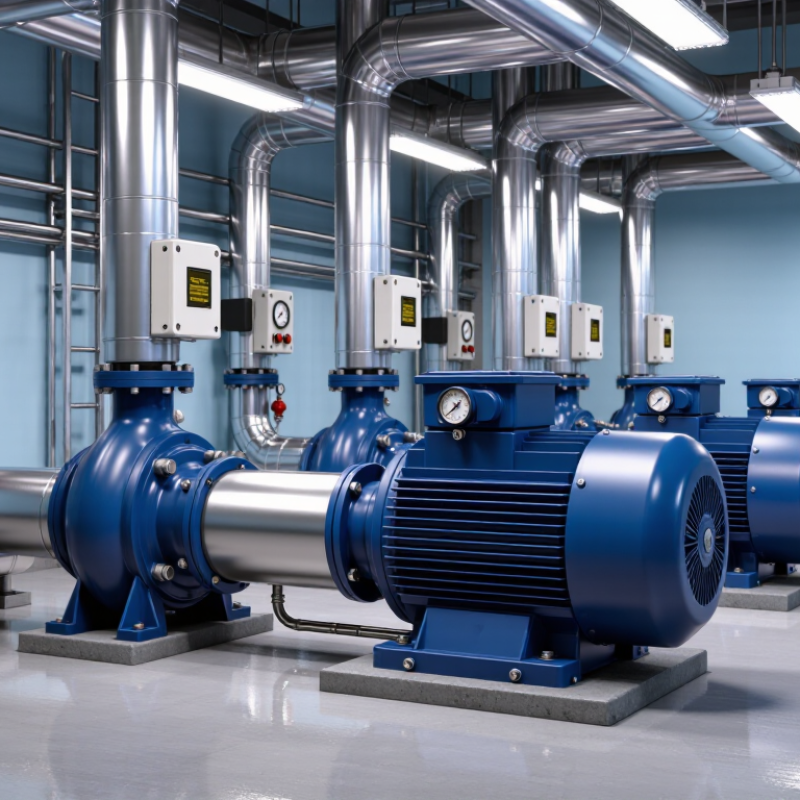
2026 How to Choose Horizontal Pump Motors

Define the Operating Requirements for a Horizontal Pump Motor

Choosing a horizontal pump motor starts with defining its operating requirements. Record the required flow rate, head, fluid temperature, and operating pressure. These values should reflect real conditions, not ideal laboratory figures. A motor may run smoothly during testing but struggle when the suction line warms or filters become dirty. Note the liquid’s viscosity, density, solids content, and corrosive behavior. Small details matter.

Review the duty cycle carefully. Will the motor run continuously, intermittently, or with frequent starts? Count expected starts per hour and identify any peak-demand periods. Check the available voltage, frequency, phase configuration, and installation environment. Outdoor equipment may face rain, dust, salt air, or poor ventilation. Select suitable enclosure protection and cooling arrangements. Leave practical space around the motor for inspection and servicing.

I have seen specifications overlook alignment tolerances and foundation movement. That mistake can create vibration, seal damage, and premature bearing wear. Define the acceptable vibration level and coupling arrangement before selecting the motor. Confirm the pump’s rated speed and calculate whether the motor provides enough starting torque. Include a reasonable service factor, but do not use it to hide uncertain calculations. A conservative estimate is useful. An oversized motor is not automatically safer. It can increase energy use and reduce operating efficiency. Recheck the requirements against seasonal conditions, maintenance records, and the worst credible operating point.

2026 How to Choose Horizontal Pump Motors

Define the operating requirements before selecting a horizontal pump motor. The chart shows how flow rate, system head, and estimated motor rating can change across typical operating points. Motor ratings are based on hydraulic power, pump efficiency, and a practical service margin.

When choosing a horizontal pump motor, confirm the required flow and total dynamic head, then check efficiency, starting method, service factor, operating speed, voltage, duty cycle, and available power supply. The selected motor should provide sufficient capacity for the pump’s maximum expected operating point without routinely operating outside its efficient range.

Match Motor Power, Speed, and Torque to the Pump

Choosing a horizontal pump motor starts with operating data, not the nameplate alone. Record required flow, total head, fluid density, temperature, and suction conditions. Pump shaft power changes when the system curve shifts. Select motor power above the measured demand, but avoid excessive oversizing. A large motor may run inefficiently at light load. It can also hide an incorrectly selected impeller. During commissioning, compare actual current with the pump curve and motor service conditions.

Speed must match the pump’s hydraulic design. Higher speed can increase flow and head, but it also raises torque demands and mechanical stress. Check allowable speed, coupling ratings, bearing limits, and the starting method. Torque matters during acceleration, especially with dense fluids or long, liquid-filled discharge lines. The motor needs enough starting torque without causing harmful voltage dips. Do not trust calculated values blindly. Real installations often differ. My first estimate is sometimes wrong.

Tips: Keep a practical power margin, usually based on verified load data and operating variation. Measure voltage, current, vibration, and acceleration time after installation. If current remains low, the motor may be oversized. If current rises quickly, inspect blockage, fluid changes, valve position, and pump alignment. A simple field record can reveal problems that a catalog selection misses. Recheck the duty point after seasonal or process changes.

2026 How to Choose Horizontal Pump Motors — Match Motor Power, Speed, and Torque to the Pump
Pump Shaft Power Required Recommended Motor Power Typical Motor Speed at 50 Hz Motor Pole Configuration Rated Motor Torque Recommended Selection Logic
2.0 kW 2.2 kW 1,450 rpm 4-pole 14.5 N·m Provides approximately 10% power reserve for normal operating variation.
3.4 kW 4.0 kW 1,450 rpm 4-pole 26.3 N·m Suitable where the pump duty point is stable and the system has moderate starting resistance.
6.4 kW 7.5 kW 1,450 rpm 4-pole 49.4 N·m Allows additional capacity for pipe friction, fluid-property changes, and normal wear.
9.3 kW 11 kW 1,450 rpm 4-pole 72.4 N·m Balanced choice for general water and low-viscosity liquid transfer applications.
12.7 kW 15 kW 1,450 rpm 4-pole 98.8 N·m Recommended when the calculated pump load is close to a standard motor rating.
18.6 kW 22 kW 1,450 rpm 4-pole 144.9 N·m Provides approximately 18% additional motor capacity for variable operating conditions.
25.4 kW 30 kW 1,450 rpm 4-pole 197.6 N·m Verify the pump power curve to ensure the motor will not be overloaded at maximum flow.
31.5 kW 37 kW 1,450 rpm 4-pole 243.8 N·m Appropriate for medium-duty horizontal pumps requiring stable torque across the operating range.
38.3 kW 45 kW 1,450 rpm 4-pole 296.4 N·m Check coupling, shaft, and baseplate ratings before using the larger motor frame.
46.8 kW 55 kW 1,450 rpm 4-pole 362.4 N·m Use when the pump requires high continuous power and the electrical supply can support starting current.
63.8 kW 75 kW 1,450 rpm 4-pole 493.9 N·m Confirm thermal performance, protection settings, alignment, and the pump's maximum absorbed power.
Engineering reference: Recommended motor power is based on selecting the next practical motor rating above the calculated pump shaft power, generally allowing about 10–20% operating reserve. Rated torque is calculated using T = 9,550 × P ÷ n, where T is torque in N·m, P is motor output in kW, and n is speed in rpm. Actual motor speed varies with load and slip; final selection should be checked against the pump curve, duty point, starting torque, service factor, voltage, frequency, ambient conditions, and applicable electrical standards.

Choose the Right Motor Type and Installation Configuration

2026 How to Choose Horizontal Pump Motors

Choose the Right Motor Type and Installation Configuration

Selecting a horizontal pump motor starts with the duty point, not the nameplate. Record flow, head, fluid temperature, operating hours, and starting frequency. The U.S. Department of Energy reports that pumping systems may consume about 25% of industrial electricity. Small efficiency losses can become expensive over several years.

For steady industrial service, a three-phase induction motor remains a practical choice. It tolerates demanding starts and is widely supported by maintenance teams. Permanent-magnet motors can reduce losses under variable loads, but their controls and servicing require closer technical review. The International Energy Agency estimates that motor-driven systems use roughly 53% of global electricity. Efficiency matters, but only when the motor matches the real load.

Installation details often decide reliability. Use a foot-mounted motor on a rigid baseplate when alignment access and coupling inspection are important. A close-coupled arrangement saves space, yet it leaves less room for correction. Check shaft height, coupling dimensions, bearing loads, and thermal expansion before ordering. For outdoor or damp areas, select an enclosure suited to the environment. Confirm VFD compatibility, minimum speed, and cooling performance. Field technicians often find soft foot after installation, not during design. That is a preventable mistake. A perfect calculation can still fail when the base is weak, the pipe is strained, or alignment is rushed.

Evaluate Efficiency, Protection, Materials, and Environmental Conditions

2026 How to Choose Horizontal Pump Motors

Evaluate Efficiency, Protection, Materials, and Environmental Conditions

Efficiency and Operating Conditions

Choosing a horizontal pump motor begins with the duty point, not the catalog cover. In field inspections, I compare flow, head, operating hours, and actual load. A high-efficiency motor can reduce energy use, especially in continuous-duty systems. However, efficiency claims mean little if the pump runs far from its design point. Check rated load, service factor, starting current, and compatibility with a variable-frequency drive. Keep voltage imbalance below the manufacturer’s stated limit.

Protection and Enclosure Selection

Protection must match the room, weather, and maintenance routine. For a clean indoor plant, a totally enclosed fan-cooled motor may be suitable. Wet areas require stronger enclosure protection, such as IP55 or higher, depending on spray exposure. Thermal sensors can prevent damage during blocked flow or repeated starts. Do not trust enclosure ratings alone. I have seen moisture enter through poor cable glands and damaged terminal covers.

Materials and Environmental Conditions

Material selection changes with the environment. Cast iron offers practical strength, while coated surfaces help resist ordinary humidity. Stainless steel or corrosion-resistant hardware is more suitable near saltwater, chemicals, or frequent washdown. Check ambient temperature, altitude, dust, and condensation before approval. At high altitude, reduced cooling can limit output. Small details matter. A perfect selection on paper may still fail because the installation space is cramped, ventilation is weak, or maintenance access was overlooked. Document these conditions before ordering.

Verify Compatibility, Reliability, Maintenance, and Total Cost

2026 How to Choose Horizontal Pump Motors

Verify Compatibility, Reliability, Maintenance, and Total Cost

Choosing a horizontal pump motor starts with the pump, not the catalog. Record flow, head, fluid temperature, viscosity, and operating hours. Check shaft dimensions, mounting arrangement, speed, voltage, frequency, and service factor. A motor can fit mechanically yet fail electrically. Confirm the pump curve at its real duty point, not only its maximum rating. During site checks, I photograph the nameplate and measure available clearance. Small errors here can force expensive base modifications.

Reliability depends on heat, alignment, and protection. Select an enclosure suited to dust, moisture, and washdown conditions. Verify insulation class, bearing arrangement, starting current, and overload protection with a qualified electrical professional. Use vibration and temperature readings as baseline data after commissioning. A quiet first week proves little. Poor alignment may appear only after several hundred hours. Leave room for coupling inspection, grease access, and safe lifting. Maintenance teams need clear intervals and common replacement parts. I prefer a simple checklist, although I still miss one measurement during rushed shutdowns.

Compare total cost over the planned service life. Include purchase price, controls, installation, electricity, lubrication, inspections, downtime, and disposal. A lower-efficiency motor may cost more every month. Calculate energy using actual load and annual running hours. Ask for documented efficiency and test conditions, not vague claims. Review spare strategy and repair capability before approval. The cheapest quote is rarely the cheapest operation. Recheck assumptions. Operating data changes.

FAQS

What information should I collect before choosing a horizontal pump motor?

Record flow, head, fluid temperature, viscosity, operating hours, voltage, frequency, and speed. Check the real duty point. Maximum ratings can mislead.

How does efficiency affect operating cost?

Higher efficiency can reduce electricity use during long operating hours. Calculate energy costs using actual load and annual runtime. A cheaper motor may cost more monthly.

Can a motor fit mechanically but still be unsuitable?

Yes. Confirm shaft dimensions, mounting arrangement, speed, voltage, frequency, and control compatibility. Electrical mismatch can cause failure. Measure clearance before ordering.

Which enclosure protection suits wet or dusty environments?

Choose protection based on moisture, dust, spray, and washdown exposure. Wet areas may require IP55 or higher. The room matters.

Are enclosure ratings enough to prevent moisture damage?

No. Poor cable glands and damaged terminal covers can still admit water. Inspect sealing points during maintenance. Small gaps matter.

What materials work well in harsh environments?

Cast iron provides practical strength in ordinary conditions. Coated surfaces help resist humidity. Use corrosion-resistant materials near saltwater, chemicals, or frequent washdown.

How do temperature and altitude affect motor selection?

High ambient temperature and altitude can reduce cooling capacity. Dust and condensation may add further risk. Check ventilation space carefully.

What reliability checks should happen after commissioning?

Record baseline vibration and temperature readings. Inspect alignment, bearings, couplings, and overload protection. A quiet first week proves little.

What maintenance access should I plan for?

Leave room for coupling inspection, lubrication, cable checks, and safe lifting. Keep replacement parts practical and available. I sometimes miss one measurement during rushed shutdowns.

How should I compare total ownership cost?

Include purchase, controls, installation, electricity, lubrication, inspections, downtime, repairs, and disposal. Request documented efficiency and test conditions. Recheck assumptions as operating data changes.

Conclusion

Choosing the right Horizontal Pump Motors begins with clearly defining the pump’s operating requirements, including flow rate, pressure, duty cycle, fluid characteristics, and installation environment. Motor power, speed, and torque must be matched carefully to the pump so the system can start reliably, operate smoothly, and avoid unnecessary energy consumption or mechanical stress. The correct motor type and mounting configuration should also suit the pump design, available space, alignment needs, and control method.

A complete evaluation should consider efficiency, enclosure and protection ratings, cooling, insulation, materials, temperature, humidity, dust, and other environmental conditions. Buyers should also verify electrical and mechanical compatibility, expected service life, maintenance access, spare-part availability, and operational reliability. Looking beyond the initial purchase price, comparing energy use, maintenance demands, downtime risks, and replacement costs helps identify the best total-value solution. By reviewing these factors together, users can select a dependable motor that supports safe, efficient, and long-term horizontal pumping performance.

Amelia

Amelia

Amelia is a seasoned marketing professional with a strong understanding of the company’s products, customers, and evolving market needs. Through her work, she combines strategic insight, clear communication, and practical industry knowledge to help audiences make informed decisions. She regularly......