Critical Operational Parameters for Marine Bow Thruster Motors
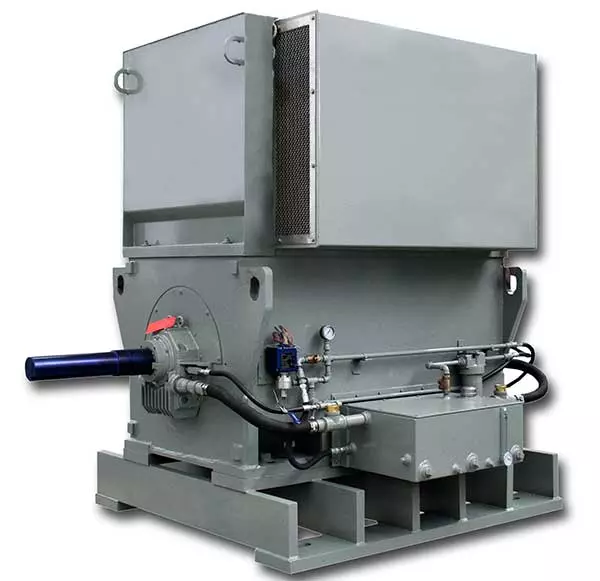
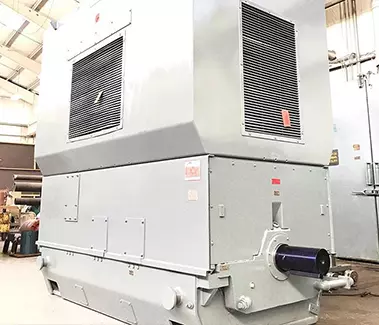
Bow Thruster Motors represent one of the most mechanically and electrically demanding motor applications in commercial shipping, naval defense, and offshore energy infrastructure. Unlike continuous-duty pumps or HVAC blowers operating under stable thermal equilibrium, a marine bow thruster motor is subjected to aggressive transient loading, rapid direction reversals, high peak torque demands during docking maneuvers, and intense harmonic stresses caused by Variable Frequency Drive (VFD) switching frequencies.
Whether powering a tunnel thruster on a container vessel or an azimuth dynamic positioning (DP-2 / DP-3) thruster on an offshore support vessel (OSV), selecting the correct electric motor topology requires deep technical alignment with international marine classification standards. Key design criteria include thermal reserve margins under S2 (short-time duty) or S3 (intermittent periodic duty) profiles, dielectric withstand capabilities against steep-fronted voltage transients (dV/dt), structural resistance to hull-transmitted vibration, and complete resistance to saline moisture ingress.
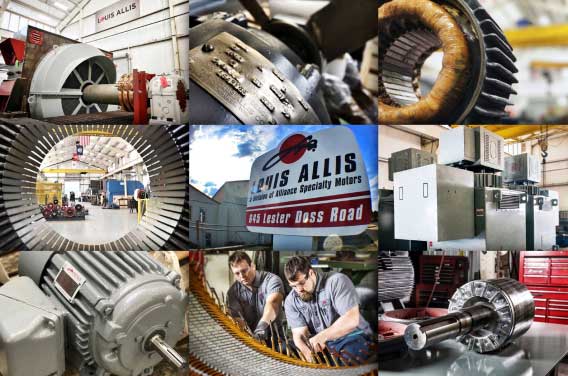
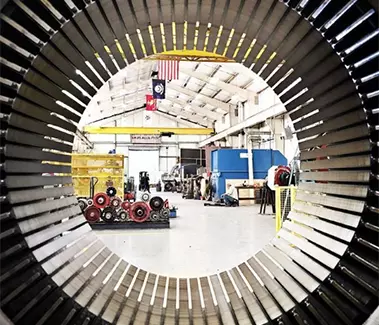
Louis Allis brings nearly a century (founded in 1901) of specialized electric motor design and manufacturing authority. Operating out of our ISO 9001:2015 certified facility in Warrior, Alabama, our engineering teams engineer custom AC induction, DC, and permanent magnet Bow Thruster Motors up to 20,000 HP (15 MW), built specifically to eliminate single-point failure risks in critical marine operations.