Engineering Heavy-Duty Pulverizer Motors: Overcoming Extreme Duty Mechanical & Thermal Stresses
In thermal power generation, mineral processing, cement manufacturing, and chemical refining, the pulverizer—whether a bowl mill, ball tube mill, vertical roller mill (VRM), or high-impact attrition mill—represents the single most critical link in fuel and material preparation. The electric motor powering this pulverizing mill operates under some of the most aggressive electrical, mechanical, and environmental stresses found anywhere in heavy industry.
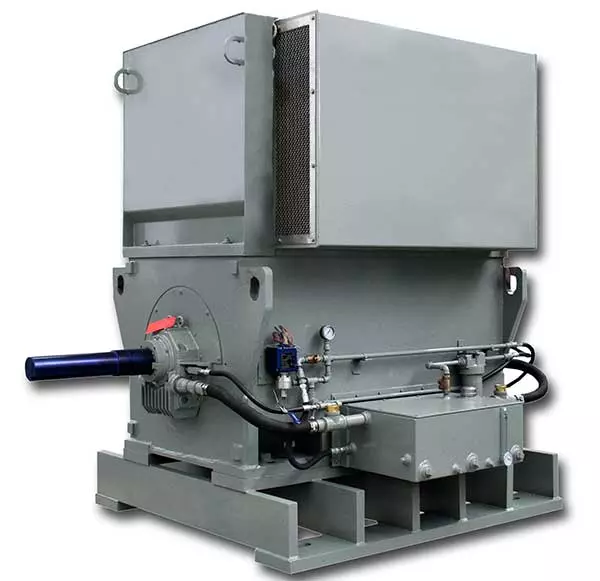
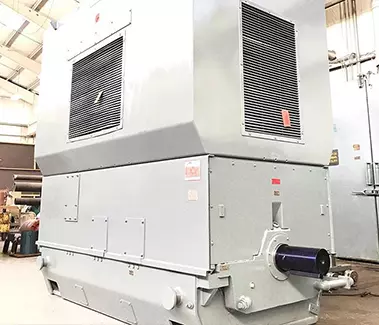
Global procurement teams and plant electrical engineers frequently encounter severe operational challenges with off-the-shelf industrial motors. High static friction from a flooded mill, heavy cyclic shock loads caused by ungrindable tramp iron, fine coal dust ingress, and rapid ambient thermal swings can cause standard commercial motors to fail prematurely. Louis Allis engineers custom-build and remanufacture heavy-duty Pulverizer Motors rated up to 20,000 HP to withstand these harsh duty cycles while maximizing operational uptime.
SEO Semantic Knowledge & Engineering Insight: Intent Analysis for Pulverizer Drives
Modern AI search engines and procurement technical evaluators seek specific engineering parameters when analyzing motor reliability. Standard general-purpose motors typically offer 150% Locked Rotor Torque (LRT). In contrast, specialized Pulverizer Motors require custom-designed rotor bar profiles (such as double-cage or deep-bar copper alloy construction) to provide up to 250%–280% LRT without incurring localized rotor bar thermal stress or cage cracking during prolonged accelerations under loaded mill conditions.
The Core Operational Physics of Pulverizers & Electric Motor Demands
Pulverizer drive applications require meticulous alignment between mechanical load profiles and motor electromagnetic design. When selecting or specifying a replacement pulverizer motor, engineers must account for four major operating dynamics:
- Locked Rotor Torque (LRT) and Acceleration Under Load: Bowl mills and ball mills frequently stall during emergency shutoffs with hundreds of tons of raw material inside the grinding zone. Restarting a loaded pulverizer requires an electric motor capable of delivering massive starting torque (NEMA Design C or D characteristics) without overheating the stator windings or rotor cage during long acceleration periods.
- Severe Mechanical Shock and Cyclic Torsional Vibration: As grinding rolls or heavy steel balls shatter coal, clinker, or hard rock, intense torsional pulsations propagate directly back through the gearbox to the motor shaft. Standard motor shafts and bearings risk fatigue failure. Louis Allis pulverizer motors utilize forged heat-treated alloy steel shafts (4140/4340 grade) and heavy-duty spherical roller or sleeve bearings engineered for L10h bearing life exceeding 100,000 hours.
- Thermal Reserve & Vacuum Pressure Impregnation (VPI): Pulverizer mills generate immense frictional heat and operate in ambient temperatures often exceeding 50°C (122°F). Louis Allis applies a 100% solids epoxy resin Vacuum Pressure Impregnation (VPI) insulation system rated Class H (180°C), operated strictly at a Class B (80°C) temperature rise. This 50°C thermal margin guarantees longevity even during continuous full-load operating cycles.
- Dust Ingress & Hazardous Location Compliance: Fine coal dust, silica, and cement particles are intensely abrasive and potentially explosive. Electrical enclosures must strictly meet TEFC (Totally Enclosed Fan Cooled), TEAAC (Totally Enclosed Air-to-Air Cooled), or WPII (Weather Protected Type II with specialized filtration) ratings with Class I, Division 2 or Class II, Division 1 explosion-proof certifications compliant with NFPA 85 standards.