
Electric Motor Industry Insights & Technical Articles

Discover technical knowledge, motor maintenance guides, engineering innovations, and industry updates from our team of specialty electric motor experts.

0%

China remains a major cement-producing market, and kiln reliability directly affects output, energy use, and maintenance planning. China’s National Bureau of Statistics reported approximately 2.02 billion tonnes of cement production in 2023. The International Energy Agency estimates that cement production accounts for around 7% of global carbon dioxide emissions. These figures give useful context: equipment choices matter. Kiln Drive Motors are not interchangeable catalog items. They must provide steady torque under heavy loads and long operating cycles, often amid heat, dust, and vibration. Small details matter. Shaft alignment, cooling arrangements, insulation, gearbox compatibility, and access to local service can influence performance over the motor’s lifetime. A high power rating alone tells only part of the story.

This guide introduces ten suppliers in China and highlights factors buyers can compare, including product range, engineering support, customization, documentation, and after-sales service. IEC 60034 provides relevant standards for rotating electrical machines, but standards compliance does not replace application-specific checks. Buyers should verify operating conditions, starting requirements, duty ratings, and the supplier’s experience with kiln installations. No shortlist is perfect. Public product information can be incomplete, and supplier capabilities may change; direct technical discussions and reference checks remain important. The aim here is a practical starting point, not an unsupported endorsement or a guarantee of fit. A kiln drive is a system decision, not merely a motor purchase.
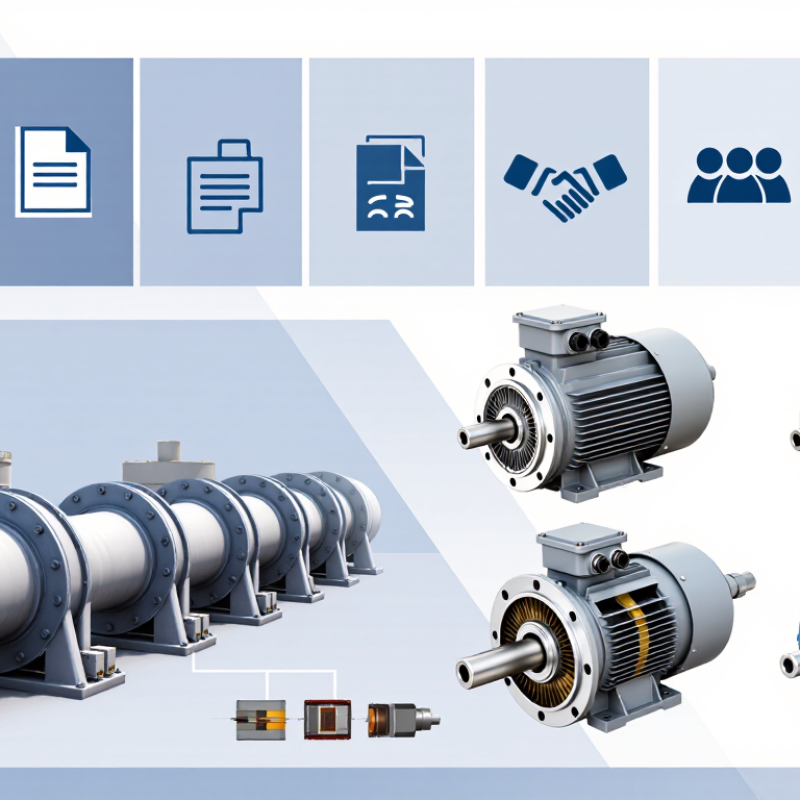
Top 10 Kiln Drive Motor Suppliers in China

Kiln Drive Basics: Rotary Kilns Commonly Operate at 0.5–5 rpm

Rotary kilns commonly operate between 0.5 and 5 rpm, but this is a practical range, not a universal setting. The required speed depends on kiln diameter, material, slope, and residence time. A few tenths of a revolution per minute can change how quickly solids travel through the hot zone. Not a small detail. The motor itself usually turns much faster, so a gearbox and speed control system reduce and regulate its output. During startup, the drive must also overcome the kiln’s heavy, uneven load.

When comparing kiln drive motor suppliers in China, ask how the complete drive is sized for continuous operation, not just its rated power. Check the motor’s torque at low speed, gearbox ratio, thermal limits, and compatibility with the control system. Request operating data for a kiln with similar dimensions and material. A speed range printed on a specification sheet may not tell the whole story. That figure can be misleading without details about load and startup conditions. It is worth confirming how the supplier handles alignment, lubrication access, and service support; these practical points are easy to overlook. Even a well-sized motor can perform poorly if the gearbox or control settings do not suit the kiln.

Motor Selection Data: 50 Hz Supply, Rated Torque, and Starting Duty

Top 10 Kiln Drive Motor Suppliers in China

Motor Selection Data: 50 Hz Supply, Rated Torque, and Starting Duty

A kiln drive motor should match the kiln’s actual load, not just its nameplate power. At a 50 Hz supply, confirm the required speed and check whether the drive system uses a gearbox or frequency control. Rated torque matters during steady rotation, especially when material loads vary. Starting torque matters at a different moment. A loaded kiln may need substantial breakaway force before it turns. Ask suppliers for torque curves, permissible start frequency, and thermal limits. A single power rating tells only part of the story.

For suppliers in China, compare technical documents against the same operating data. Request confirmation of 50 Hz performance, insulation class, cooling method, and duty rating. If the kiln starts under load, verify that the proposed motor and control method can handle that duty without excessive heating. Site measurements are useful, though they can be imperfect; operating loads may change with feed material and process conditions. Leave room for review rather than treating a catalog figure as a final answer. A careful selection balances starting capability, continuous torque, and practical maintenance access.

Drive Technologies: VFD Control and IEC 60034 Efficiency Classes

For kiln duty, a variable-frequency drive (VFD) can match motor speed to the process instead of running at one fixed rate. Gentle acceleration helps reduce starting stress on a loaded drum, while controlled speed can support steady material flow. Set the drive using the motor’s rated voltage, current, frequency, and operating limits—not just the kiln’s usual speed. That matters. Low-speed operation may reduce the motor’s own-fan cooling, so confirm whether the duty needs a separate fan or other cooling provision.

When comparing kiln drive motor suppliers in China, ask for the motor nameplate data and efficiency documentation. IEC 60034 efficiency classes, such as IE2 or IE3 where applicable, describe motor efficiency under specified test conditions; they do not guarantee the efficiency of the complete drive system. Check that the class applies to the motor’s rating and configuration. Also discuss torque at low speed, insulation suitable for converter supply, bearing protection, and cable length. Small details count. A clear datasheet helps, but real kiln duty can differ from the test point, so operating conditions deserve a careful review.

Top 10 Chinese Suppliers: Compare Motor Ratings, Gearboxes, and Kiln References

Comparing Chinese kiln drive motor suppliers starts with the duty point, not the largest motor rating. Check rated power, voltage, speed, insulation class, and service factor against the kiln’s operating data. A motor that looks adequate on paper may struggle during a hot restart or a loaded rotation. Small details matter.

The gearbox deserves equal attention. Ask for the reduction ratio, output torque, bearing arrangement, and lubrication requirements. Confirm how the drive handles starting torque and occasional process interruptions. A clear datasheet helps, but it cannot replace a review of the complete motor-and-gearbox assembly. Request drawings and performance curves where available. Then compare stated values using the same operating conditions, since supplier figures may use different assumptions.

Kiln references can reveal practical experience. Look for installations with similar kiln diameter, load, rotation speed, and ambient conditions. Ask how long the drive has operated and what maintenance issues arose. Specific answers are more useful than a long client list. Be cautious with references that lack operating details. Some gaps are normal; even good records can be incomplete. A site visit or conversation with an operator may clarify how the drive performs through starts, stops, and routine servicing.

Top 10 Kiln Drive Motor Suppliers in China — Compare Motor Ratings, Gearboxes, and Kiln References

Suggested evaluation weighting for comparing suppliers; these percentages are a buyer-side framework, not verified supplier data or a supplier ranking.

Prioritize motor ratings and gearbox suitability against the kiln’s required torque, speed, and duty cycle. Verify kiln references directly with each supplier, including operating conditions and project scope.

Standards Check: Verify GB/T 755, GB 18613, and After-Sales Support

Top 10 Kiln Drive Motor Suppliers in China

A kiln drive motor works through heat, dust, and long operating hours. Check its rated duty, temperature limits, and starting conditions against your actual site requirements. GB/T 755 covers ratings and performance for rotating electrical machines. Ask the supplier to identify the applicable edition and show how the proposed motor meets its requirements. A certificate alone is not enough.

GB 18613 sets energy-efficiency requirements for covered motor types. Confirm that the standard applies to the exact motor model, power, speed, and configuration you are buying. Request a test report that matches the nameplate, not a similar product brochure. Compare the stated efficiency with the rating plate and quotation. Small mismatches deserve a closer look.

Tips: Photograph the nameplate and test documents before approval. Keep model numbers consistent across the quotation, report, and delivery papers.

After-sales support matters when a kiln line stops. Ask about commissioning guidance, spare-part availability, fault response times, and warranty coverage in writing. Check who handles troubleshooting and whether replacement bearings or fans can be shipped promptly. I would also ask for a sample service record. It may be imperfect, but it can reveal how clearly the supplier documents real field problems.

FAQS

What is a typical rotary kiln speed?

Many rotary kilns run between 0.5 and 5 rpm. The right speed depends on diameter, material, slope, and required residence time.

Why does a small speed change matter?

Even a few tenths of a revolution per minute can change how quickly solids pass through the hot zone. It is easy to underestimate.

Why does a kiln drive need a gearbox?

The motor usually turns faster than the kiln. A gearbox reduces its speed and supplies the required output torque.

What should I check beyond motor power?

Review low-speed torque, gearbox ratio, thermal limits, and control-system compatibility. Rated power alone tells only part of the story.

How can I assess startup performance?

Ask how the complete drive handles a heavy, uneven load and a loaded restart. Startup matters.

What gearbox details should I request?

Ask for output torque, bearing arrangement, lubrication requirements, and reduction ratio. Drawings and performance curves can help clarify the assembly.

How can kiln references help compare suppliers?

Look for installations with similar kiln dimensions, loads, speeds, and ambient conditions. Ask about operating years and maintenance issues, not just client names.

Are published speed ranges enough to judge a drive?

No. The figures may omit load and startup conditions, so compare data using the same assumptions. I would still want to check the actual duty point.

Which practical service details are easy to miss?

Confirm alignment support, access for lubrication, and ongoing service arrangements. A well-sized motor can still perform poorly with unsuitable gearbox or control settings.

Conclusion

Kiln Drive Motors are essential to the steady, reliable rotation of rotary kilns, which commonly operate at around 0.5–5 rpm. Selecting a suitable drive involves more than matching the motor’s rated power: buyers should consider the kiln’s required torque, the 50 Hz supply conditions, starting duty, and the demands of the operating environment. A well-matched motor and gearbox can support controlled starts and consistent low-speed operation.

This guide outlines how to compare ten Chinese suppliers by reviewing motor ratings, gearbox configurations, and relevant kiln application experience. It also introduces variable-frequency drive control and IEC 60034 efficiency classes as factors in evaluating performance and energy use. Before making a decision, purchasers should verify applicable GB/T 755 and GB 18613 requirements, confirm that technical specifications fit the project, and assess the supplier’s installation guidance, spare-parts availability, and after-sales support.

Clara

Clara

Clara is a dedicated marketing professional with extensive experience in product communication, content strategy, and customer-focused storytelling. As a valued member of our company, she combines a strong understanding of market trends with in-depth knowledge of our products and services, helping......