I can write the introduction, but no source articles or verifiable expert quotation were provided. Please share an expert’s name and an authentic quote, or allow me to use an clearly labeled original editorial quote rather than attribute invented words to a real person.
Understand What a Georator Frequency Converter Does
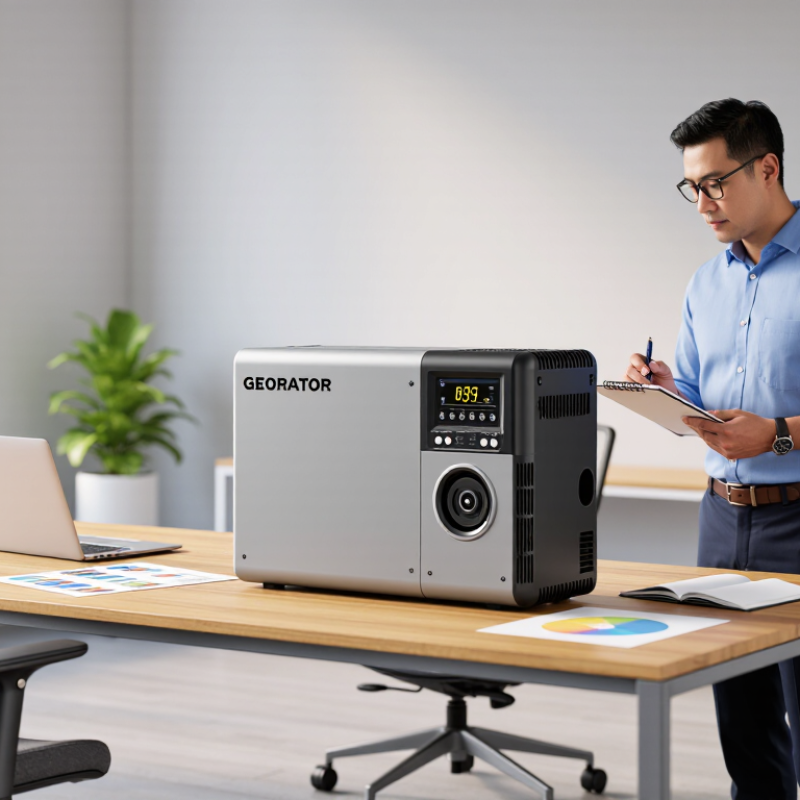
A Georator frequency converter changes incoming electrical power into power at a different frequency. In a rotary design, the incoming supply drives a motor, which turns a generator that produces the required output. The output may also differ in voltage, depending on the unit’s configuration. In practical terms, it can let equipment designed for one supply frequency operate from another. Think of a workshop machine whose motor needs a steady 60 Hz supply, while the available source is 50 Hz. The converter bridges that difference. It is not simply a plug adapter.
The rotating parts matter. A converter’s capacity, voltage range, phase arrangement, and starting performance should match the equipment it will serve. Check the machine’s nameplate and consider its load, especially if it starts under strain or cycles frequently. A unit that looks powerful enough on paper may still struggle with a demanding startup. Ask about output stability and maintenance needs, too; bearings and other mechanical parts can require attention. Listen for unusual vibration. That detail is easy to overlook. Frequency conversion explains the core function, but it does not guarantee compatibility with every motor or control system. When specifications are unclear, confirm them with a qualified electrical professional before choosing equipment.
Determine Your Power, Frequency, and Voltage Requirements
Before comparing Georator frequency converters, write down the exact requirements of the equipment you plan to power.
Read each nameplate and note its rated watts or kilowatts, voltage, frequency, and phase. Record whether the load is continuous or used only briefly. Small details matter. A motor marked for 50 Hz may run differently on a 60 Hz supply, affecting speed and performance.
Check whether several devices will operate at the same time. Their combined demand matters, and motors or pumps can draw extra current when starting. Total running watts alone can be misleading.
Match the converter’s input voltage to your available supply, then confirm that its output matches the connected equipment. Check both frequency and voltage; a correct frequency does not compensate for the wrong voltage. For motor loads, ask about starting capacity and the converter’s overload rating, not just its advertised continuous output.
Leave a sensible capacity margin, but avoid choosing a much larger unit without a reason. It may add cost and still fail to solve an incorrect voltage or phase match. If the requirements are unclear, verify them with the equipment documentation or a qualified technician. Then test under load. A brief real-world check can reveal issues that a specification sheet misses.
Compare Converter Types and Key Specifications
Frequency converters generally fall into two broad types: static electronic units and rotary motor-generator systems.
Static converters are compact and often easier to install, making them practical for a workshop bench or production cell. Rotary systems can suit demanding loads, but they are heavier and need space, ventilation, and regular mechanical checks. Neither type is automatically the better choice. The load decides.
Compare the input and output phases, voltage, and frequency with the equipment nameplate. A 60 Hz machine supplied from a 50 Hz grid may also require a voltage change; frequency alone is not the whole specification. Check continuous kVA capacity, startup surge, and overload duration. Motors and compressors can draw several times their running current when starting. A converter that matches only the steady load may trip at the worst moment. That detail is easy to miss.
Ask how the unit handles waveform quality and voltage regulation, especially for sensitive controls or instruments. Request test data under a load similar to yours, not just an unloaded output reading. Confirm cooling needs, noise level, protection features, and service access. If equipment starts and stops often, discuss duty cycle with a qualified supplier. One imperfect but useful step: measure the actual load during startup before choosing capacity. A nameplate is helpful, not the entire story.
Check Compatibility, Safety Features, and Installation Needs
7 Tips for Buying Georator Frequency Converters
Before choosing a Georator frequency converter, compare its input and output voltage, phase, and frequency with your equipment’s nameplate. A small mismatch can cause poor performance or damage. Check the load type, too: motors may draw several times their normal current during startup.
The converter’s continuous and surge ratings should accommodate that demand, not just the motor’s running wattage. Leave room for other connected devices if they may operate at the same time.
Review built-in protection, including overload, overtemperature, and short-circuit safeguards. Confirm grounding requirements and whether the enclosure suits the location, especially around dust, moisture, or limited airflow.
Small details matter. For installation, measure the available space and plan for ventilation, cable routing, and access to disconnects before ordering. A cramped cabinet can trap heat, even when the converter’s rating looks adequate on paper.
Check the manual for clearance and wiring requirements, and have a qualified technician assess the setup when electrical capacity or grounding is uncertain.
Buyers sometimes focus too heavily on price; I’d revisit that choice if the lower-cost unit lacks clear specifications or suitable protection.
Conclusion
Choosing the right Georator Frequency Converters starts with understanding how they adjust electrical frequency to support equipment that requires a specific power supply. Before comparing options, identify your equipment’s power demand, input and output voltage, and required frequency. These details help narrow the choices and reduce the risk of selecting a converter that cannot meet operating needs.
Next, compare converter types and specifications, including capacity, efficiency, and operating characteristics. Check that the unit is compatible with your equipment, has appropriate safety features, and can be installed in the space and conditions available. Finally, assess suppliers based on product support and warranty coverage, and consider the total cost of ownership—not just the purchase price. A careful review of these factors can help you select a reliable, suitable solution for your application.