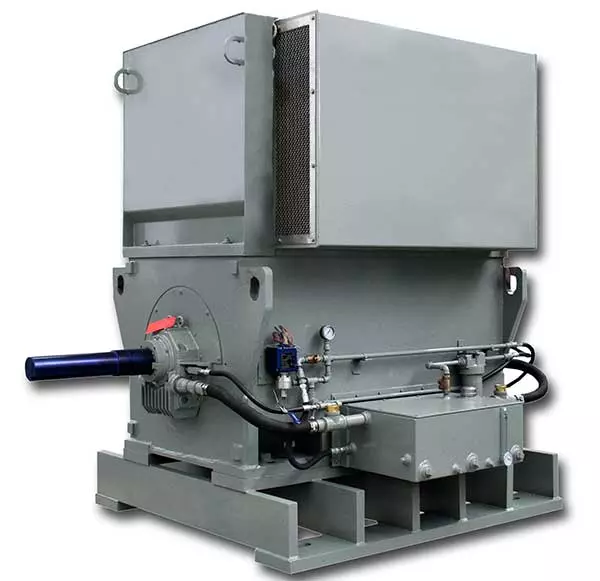
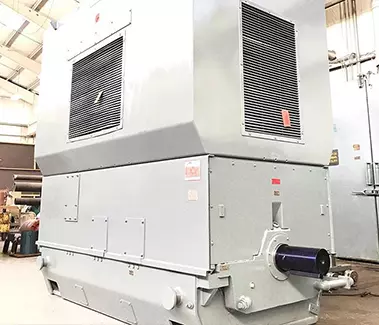
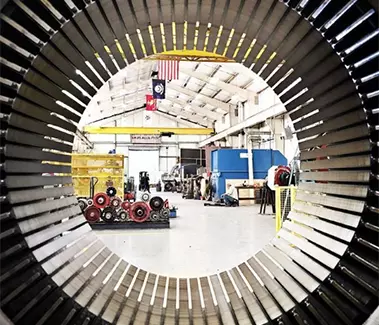
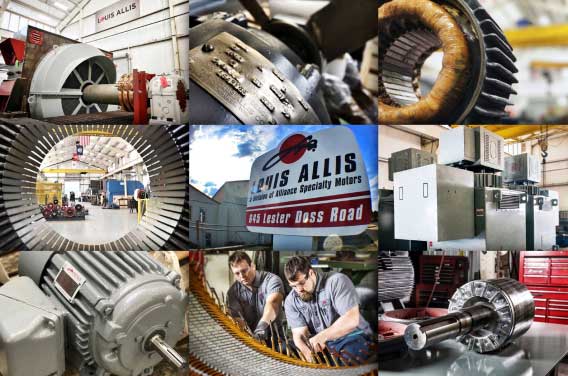
The global energy sector is undergoing a profound paradigm shift driven by decarbonization targets, grid decentralization, and aging utility infrastructure. As global procurement managers evaluate total cost of ownership (TCO) for rotating electrical machinery, four macro procurement trends are shaping purchase decisions in 2025 and beyond:
1. Synchronous Condensers and Inertial Grid Stabilization
With traditional fossil-fueled thermal power plants retiring in favor of solar and wind generation, electrical grids lose mechanical inertia. Power utilities worldwide are now repurposing existing generator sites or commissioning standalone Synchronous Condensers. Specialty electric motors act as pony starter motors or excitation systems for these massive rotating masses, providing the reactive power support and short-circuit ratio needed to keep regional transmission grids stable. Sourcing specialty motors with high thermal inertia and rapid acceleration capability has become a core mandate for grid system operators.
2. AI-Driven Predictive Health Monitoring & Smart Sensor Integration
Modern power generation specialty motors are no longer isolated mechanical assets; they are intelligent nodes embedded within IoT plant architectures. Procurement protocols now demand factory-integrated tri-axial vibration sensors, RTDs (Resistance Temperature Detectors) embedded deep in stator windings, partial discharge monitoring sensors, and wireless thermography interfaces. By continuously streaming operational telemetry to plant digital twins, predictive algorithms detect micro-cracks in rotor bars or insulation degradation months before catastrophic failure, shifting maintenance from reactive to proactive regimes.
3. Supply Chain Resilience via Drop-In Form-Fit-Function Engineering
Global lead times for newly manufactured Above-NEMA high-voltage motors can range from 45 to 70 weeks from original equipment manufacturers (OEMs). For a continuous-duty utility power facility losing $100,000 per day during an unexpected outage, such lead times are unacceptable. Procurement leaders are prioritizing suppliers who possess extensive reverse-engineering capabilities, legacy design archives, and local manufacturing agility. By engineering drop-in replacement motors that align perfectly with legacy foundation footpads, terminal box connections, and shaft heights, Louis Allis eliminates civil engineering delays and cuts equipment delivery timelines by more than half.
4. Circular Economy & Factory Recertified Asset Procurement
ESG (Environmental, Social, and Governance) mandates across international power utilities are altering capital expenditure strategies. Sourcing high-quality Factory Recertified Motors reduces embodied carbon emissions associated with new steel and copper smelting by up to 75%. When remanufactured in an ISO 9001:2015 certified facility, recertified motors provide performance, efficiency, and warranty coverage identical to brand-new units while significantly preserving procurement budgets.