Featured Heavy-Duty Vibration & Rotor Motors for NZ Industry
High-torque, continuous-duty electric drive motors compliant with IEC 60034, AS/NZS 3000, and local EECA energy standards.
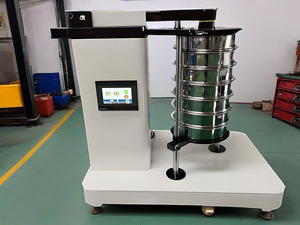
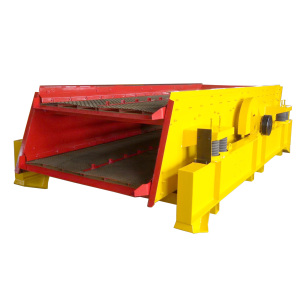
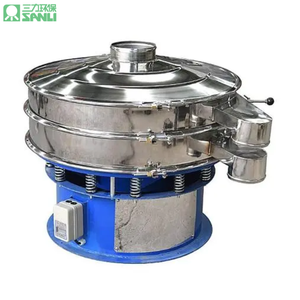
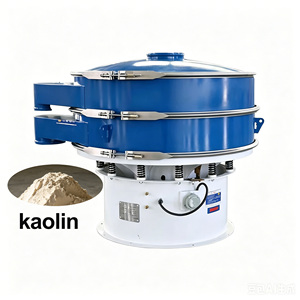
1. Technical Architecture & Fundamentals of Wound Rotor Induction Motors
Wound Rotor Induction Motors (WRIM), also widely recognized as Slip Ring Induction Motors, represent a critical class of AC asynchronous electric machines engineered specifically for heavy industrial applications requiring extraordinary starting torque coupled with strict inrush current suppression. Unlike standard fixed-bar squirrel-cage induction motors, the rotor winding of a WRIM is constructed using insulated copper wire coils connected in a three-phase configuration. These windings terminate at insulated heavy-duty bronze or cupronickel slip rings mounted directly on the rotor shaft, interacting with stationary electrographite carbon brushes.
In the industrial landscape of New Zealand—where power grids in rural mining and processing zones often operate under strict thermal and voltage stability thresholds monitored by Transpower—the WRIM provides an indispensable mechanical and electrical advantage. By inserting adjustable external rotor resistance (such as Liquid Resistance Starters or stepped metallic grid resistors) into the rotor circuit during starting sequences, plant engineers can alter the torque-speed curve of the motor. This yields maximum breakdown torque (up to 250%–300% of rated torque) precisely at zero speed while limiting starting current to less than 150%–200% of full-load current (FLC).
Core Operational Metric: By utilizing external secondary rotor impedance control, Wound Rotor Induction Motors eliminate the destructive 600%–800% direct-on-line (DOL) current spikes typical of standard squirrel-cage drives. This capability protects localized sub-transmission networks in regions like the West Coast, Waikato, and Southland from catastrophic voltage sags during heavy equipment startup.
1.1 Electrical Comparison: WRIM vs. Standard Squirrel Cage & VFD Systems
While modern Medium Voltage Variable Frequency Drives (VFDs) have gained traction in low-inertia pump and fan applications, Wound Rotor Induction Motors paired with Liquid Resistance Starters (LRS) retain a dominant mechanical superiority in high-inertia, shock-load industrial environments. VFD systems subject motor insulation to destructive high-frequency PWM voltage spikes (dV/dt), inducing bearing fluting via shaft voltages. In contrast, a WRIM connected directly to a stable 50Hz grid maintains pure sinusoidal stator waveforms while delivering unparalleled soft-starting torque under heavy inertia load conditions.
| Performance Parameter | Wound Rotor Induction Motor (WRIM + LRS) | Squirrel-Cage Motor (Direct-On-Line) | Squirrel-Cage + MV Variable Frequency Drive |
|---|---|---|---|
| Starting Torque (% FLC) | 200% – 275% (Fully Adjustable) | 100% – 150% (Fixed) | 150% – 200% (Thermal Constrained) |
| Inrush Current (% FLC) | 120% – 200% (Very Low) | 600% – 850% (Extremely High) | 100% – 120% (Low) |
| Thermal Dissipation Location | External Liquid/Grid Resistor Bank | Internal Rotor Bars (High Thermal Stress) | Inverter Heat Sink & Internal Stator |
| Harmonic Distortion (THD) | Zero (Pure 50Hz Sinusoidal) | Zero (Pure 50Hz Sinusoidal) | 3% – 8% (Requires Harmonic Filtering) |
| CAPEX / Maintenance Profile | Moderate CAPEX / Mechanical Brush Inspection | Low CAPEX / Minimal Maintenance | High CAPEX / Cleanroom Electronics Repair |
| NZ Grid Code Alignment | Exceptional for Weak Rural Sub-Grids | Requires Massive Network Upgrades | Requires Active Front End (AFE) Compliance |
2. Regional Application Scenarios Across New Zealand Industrial Sectors
New Zealand's geography and industrial composition present unique engineering challenges: remote processing plants, coastal marine atmospheric conditions, geothermally active soils, and strict environmental compliance frameworks enforced by local regional councils. Below are the core localized engineering applications where Wound Rotor Induction Motors and heavy-duty vibration motors serve as the operational backbone.
Aggregate Quarrying & Hard-Rock Mining
Locations: Waikato, West Coast, Southland, Bay of Plenty quarries.
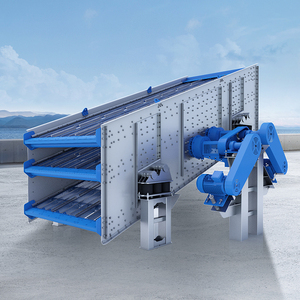
High-tonnage primary jaw crushers, secondary cone crushers, and multi-deck vibrating screens require massive breakaway torque under fully loaded stop-and-restart conditions. WRIM slip ring motors provide smooth torque ramps without tripping localized circuit breakers.
Timber Sawmills & Wood Pulp Processing
Locations: Kinleith, Kawerau, Nelson, Canterbury forestry hubs.
Heavy timber debarkers, large-diameter wood chippers, and hammer mills present high rotational inertia. Slip ring motors allow gradual mechanical acceleration, dampening destructive mechanical shock loads on gearboxes and drive belts.
Port Bulk Handling & Ship Loading
Locations: Port Lyttelton, Port of Auckland, Marsden Point, Tauranga.
Continuous coal, fertilizer, and wood pellet handling conveyors operating in marine environments demand IP65/IP66 splash-proof enclosures, anti-condensation space heaters, and corrosion-resistant slip ring assemblies built to withstand salt-laden coastal winds.
Dairy Processing & Agricultural Granulation
Locations: Taranaki, Manawatu, Waikato dairy complexes.
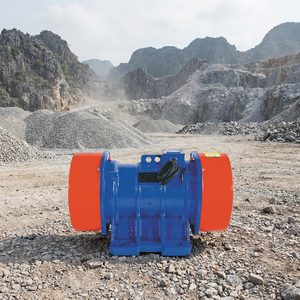
Sanitary stainless steel rotary vibrating screen motors (such as SS304/SS316 food-grade units) carry out multi-deck sieving of milk powder, lactose, and agricultural fertilizers. Easy-clean, IP65-washdown motors ensure zero bacterial retention.
Geothermal Auxiliary & Power Generation
Locations: Wairakei, Taupō Volcanic Zone geothermal plants.
Severe ambient hydrogen sulfide (H2S) exposure requires specialized tropicalized winding insulation, Class H vacuum pressure impregnation (VPI), and sealed slip ring enclosures to prevent atmospheric corrosion of internal copper work.
Cement & Mineral Milling Operations
Locations: Westport, Whangarei industrial manufacturing plants.
Continuous duty ball mills and raw material pulverizers demand uninterrupted torque across 8,000+ operating hours annually. Heavy cast-iron frames protect rotor cores against severe structural vibration.
3. New Zealand Industrial Market Trends & Electrical Grid Compliance (2025–2030)
As New Zealand advances toward its statutory carbon-neutral energy targets by accelerating the electrification of industrial heat and heavy processing, asset owners face stringent regulatory overhauls governing power quality, equipment efficiency, and reliability.
3.1 Transpower Grid Code & Power Quality Regulations
Under the Electricity Industry Participation Code monitored by Transpower NZ, industrial facilities connected to the 11kV, 33kV, or 110kV distribution grid face severe financial penalties if motor starting events induce voltage sags exceeding 3% at the Point of Common Coupling (PCC). Standard high-kW squirrel-cage motors starting direct-on-line draw up to 8 times nominal current, provoking severe network instability in rural locations such as the West Coast or Central North Island. Wound Rotor Induction Motors fitted with automated Liquid Resistance Starters (LRS) guarantee smooth current draw profiles below 150% FLC, ensuring absolute compliance with Transpower's Connection Code guidelines.
3.2 EECA Energy Standards & Exemption Realities for High-Torque Drives
While the Energy Efficiency and Conservation Authority (EECA) mandates minimum energy performance standards (MEPS) for standard three-phase AC induction motors under AS/NZS 1359.5, high-capacity Wound Rotor Induction Motors operating under specialized heavy-duty intermittent duty cycles (S3–S8) or severe environmental conditions qualify for specific technical frameworks. Furthermore, when evaluating total system energy consumption, a WRIM paired with slip energy recovery (SER) drives or automated brush-lifting / short-circuiting mechanisms achieves overall operating efficiencies reaching up to 96.5%, rivalling premium efficiency squirrel-cage drives while eliminating expensive VFD cooling infrastructure.
3.3 Digital Transformation: IIoT Rotor Condition Monitoring in Remote NZ Facilities
With processing sites spread across remote geographic zones in New Zealand, unexpected motor downtime can paralyze supply chains. Modern WRIM suppliers are integrating smart Internet of Things (IIoT) sensors directly into brushgear housings and slip ring compartments. Key monitoring metrics include:
- Brush Wear Wireless Telemetry: Micro-switch triggers alert maintenance crews in advance of critical carbon brush depletion.
- Infrared Slip Ring Thermal Sensing: Continuous monitoring of brush-to-ring contact resistance prevents phase imbalances and ring grooving.
- Tri-Axial Bearing Vibration Analysis: Early detection of mechanical misalignment caused by heavy vibrating screen shockwaves.
4. Enterprise Engineering Heritage: Louis Allis & Global OEM Capabilities
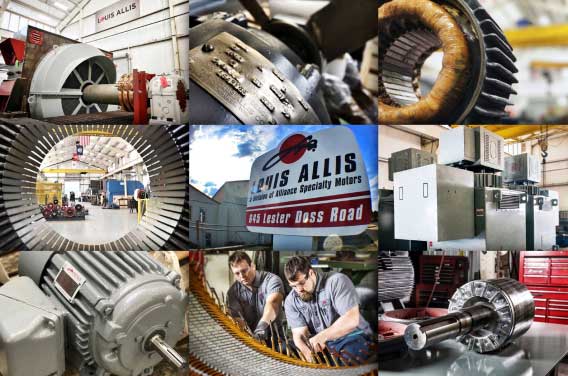
When selecting Wound Rotor Induction Motors and industrial vibration drives for demanding New Zealand infrastructure projects, engineering authority and manufacturing heritage are paramount. Operating as part of WorldWide Electric Corporation, Louis Allis brings over 120 years of continuous electric motor innovation since its founding in 1901.
4.1 World-Class Custom Engineering & Remanufacturing
Operating from an ISO 9001:2015 certified 120,000 sq. ft. manufacturing plant in Warrior, Alabama, Louis Allis specializes in the custom design, manufacture, and factory recertification of specialty AC and DC motors extending up to 20,000 Horsepower (15,000 kW). Whether your plant requires a exact drop-in fit replacement for an obsolete slip ring motor or a custom-engineered high-voltage motor for an offshore aggregate washer, our engineering team ensures total physical and electrical interchangeability.
Key Manufacturing & Standards Credentials:
- Full Compliance with International Standards: NEMA MG1, IEEE 841, IEC 60034, EASA AR100, and MIL-SPEC certifications.
- MIL-STD-2037 Navy Sealed Windings: Vacuum Pressure Impregnation (VPI) utilizing 100% solid epoxy resins for total protection against coastal moisture and geothermal H2S gas ingress.
- Factory Recertified Motors Program: Fully refurbished, dynamometer-tested Above-NEMA and slip ring motors backed by comprehensive factory warranties for rapid emergency deployment.