
Featured Inverter Duty Motors & Variable Speed AC Drives
Precision-engineered VFD-ready asynchronous motors optimized for high torque, low-speed thermal resilience, continuous PWM inverter duty, and harsh industrial environments.
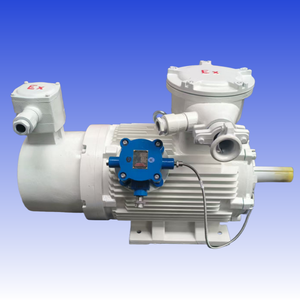
Three Phase Induction Motor 37KW EXCN YBBP-280S-8 IE3 Efficiency 750RPM Totally Enclosed Foot Mount
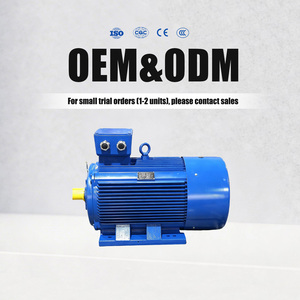
Wide Range 0.75-315kW 4P IP54 Cast Iron 3 Phase IE3 Asynchronous Inverter Duty Motor
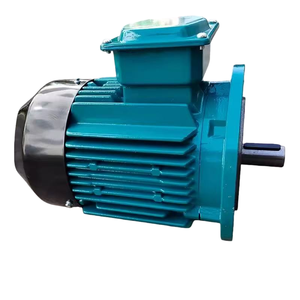
Reliable Three-Phase Variable Speed AC Motor with VFD Inverter Duty and High Torque for Industrial Fans and Blowers Control 50Hz
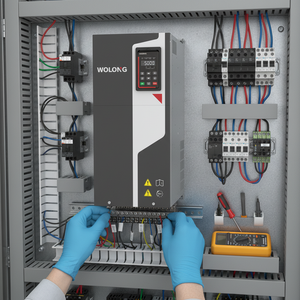
WOLONG Heavy Duty 380V AC Drive Inverter Motor 22KW/30KW/4KW/37KW Three Phase High Efficiency Variable Frequency Vector Control
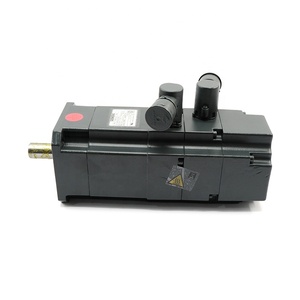
Original New 1FK6042-6AF71-1AG2 MOTOR-INVERTER DUTY for Efficient Industrial Automation Control
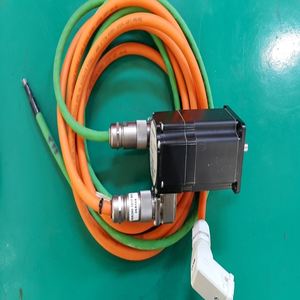
Plc Berger Lahr Vrdm368/50 Lnceo Inverter-duty Motor Wholesale OEM Direct
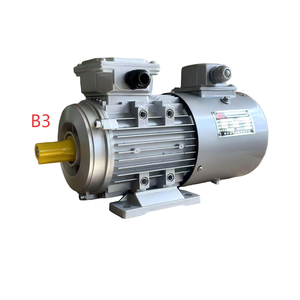
900rpm 6-Pole 3 Phase AC Asynchronous Inverter Duty Motor | VFD-Ready YVF2 Series Electric Motor for Pumps, Fans & Conveyors
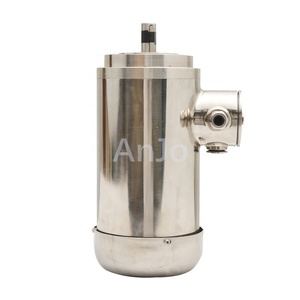
Inverter Duty Three-Phase AC Induction Motor IP67/IP66 Waterproof Stainless Steel 304 Washdown IEC/NEMA Model
The Technical Science of Inverter Duty Motors vs. Standard Induction Motors
Why pulse-width modulated (PWM) Variable Frequency Drives demand specialized magnet wire, corona-resistant insulation systems, and shaft grounding ring protection.
Understanding Voltage Spikes (dV/dt) and Partial Discharge Stress
In modern automated industrial facilities, powering electric motors via Variable Frequency Drives (VFDs) yields incredible energy savings and speed precision. However, solid-state IGBT (Insulated Gate Bipolar Transistor) inverters switch electrical pulses thousands of times per second (switching frequencies ranging from 2 kHz to 16 kHz). This rapid switching generates severe high-voltage pulses characterized by high rise rates, known technically as steep dV/dt wavefronts.
When these high-frequency voltage pulses travel through power cables to standard electric motors, impedance mismatches cause wave reflections. The pulse voltage doubles at the motor terminals, creating transient voltage spikes upwards of 1,600 to 2,000 Volts. In standard motors, these spikes rapidly degrade magnet wire enamel, initiating corona discharge (partial discharge) that burns through phase insulation within weeks of continuous operation.
NEMA MG1 Part 31 Compliance Standard
True inverter duty motors strictly conform to NEMA MG1 Part 31 standards. They incorporate spike-resistant magnet wire wrapped in micro-mica composite tape, capable of withstanding voltage peaks of 1,600V to 2,200V at rise times of 0.1 microseconds without dielectric breakdown or thermal degradation.
Thermal Management & Forced Cooling
When standard motors run at low speeds under constant load via VFD, their shaft-mounted fans slow down, drastically reducing airflow and causing catastrophic heat buildup. Inverter duty motors feature separately powered auxiliary cooling fans (forced ventilation blowers) and Class H vacuum pressure impregnated (VPI) insulation system ratings, ensuring 100% continuous torque down to zero RPM.
EDM Shaft Current & Bearing Protection
PWM drives induce common-mode voltages on the motor shaft. If ungrounded, this voltage arcs across bearing lubrication oil films—a process called Electrostatic Discharge Machining (EDM). This causes bearing fluting, pitting, and premature mechanical failure. Our inverter duty designs integrate shaft grounding rings (SGR), insulated non-drive end bearings, and conductive microfiber brushes.
Precision Vector Speed & Turn-Down Ratio
Industrial applications require precise closed-loop speed and position control. Inverter duty motors engineered with low-rotor inertia and built-in quadrature optical encoders support 1000:1 constant torque turn-down ratios, allowing smooth zero-speed torque hold in heavy-duty hoists, extruders, web handling, and mill drives.
Why Top Global OEM Engineers Specify Inverter-Rated Motors
Upgrading from standard across-the-line electric motors to engineered inverter duty motors reduces unplanned facility downtime by up to 78% while lowering total lifecycle operational expenditure (OPEX). With premium-grade magnetic laminations, precision-balanced rotors to ISO 1940 Grade G1.0, and VPI epoxy dip treatments, these units deliver maximum return on investment in aggressive industrial environments.
Need immediate engineering assistance or custom frame configuration?
Get a QuoteInverter Duty Motor vs. Standard Motor Engineering Specifications
Compare structural, thermal, and electrical design differences for informed procurement decisions.
| Specification Parameter | Standard Induction Motor | Inverter Duty Motor (Standard) | Heavy-Duty Custom Inverter Motor |
|---|---|---|---|
| Insulation Voltage Spike Rating | 1,000V Peak (1.0 µs rise) | 1,600V Peak (0.1 µs rise) | 2,200V - 3,000V Peak (Corona Resistant) |
| Constant Torque Turn-Down Ratio | 4:1 or 10:1 (Limited Speed) | 20:1 to 100:1 (TEFC) | 1000:1 to Zero Speed (TENV / Force Ventilated) |
| Magnet Wire Type | Standard Polyurethane / Nylon | Spike-Resistant Class H Moisture-Proof Wire | Inverter Spike Resistant (ISR) Heavy Copper Wire |
| Bearing Protection System | Standard Steel Ball Bearings | Optional Grounding Ring | AES Shaft Grounding Ring + Insulated NDE Bearing |
| Winding Impregnation | Standard Dip & Bake Resin | Class F / H VPI Resin | 100% Solid Epoxy Dual-Cycle VPI (Vacuum Pressure) |
| Thermal Sensors & Protection | Optional Bimetal Thermostat | Embedded PTC Thermistors | Dual Triplex RTDs (Pt100) on Windings & Bearings |
| Frame Material & Construction | Rolled Steel / Cast Aluminum | Heavy Duty Cast Iron (FC200/250) | Fabricated Rigid Steel / Ductile Iron Frame |
Global Procurement & Future Technology Trends (2025–2030)
Key market drivers shaping the next generation of industrial variable speed motor drives.
1. Transition to IE4 & IE5 Ultra-Efficiency Standards
Global regulatory frameworks (such as EU Ecodesign Directive 2019/1781 and US DOE efficiency regulations) are mandating higher motor efficiency levels. Plant managers are increasingly procuring IE4 (Super Premium Efficiency) and IE5 (Ultra Premium Efficiency) synchronous reluctance (SynRM) and PM inverter duty motors to slash kilowatt-hour power consumption in heavy continuous process industries.
2. Smart IIoT Condition Monitoring Integration
Modern procurement contracts mandate built-in sensor ports for IIoT predictive maintenance. Integrated tri-axial wireless vibration sensors, surface temperature transducers, and acoustic ultrasonic monitoring units transmit real-time health data straight to cloud dashboards, allowing maintenance crews to address bearing wear or voltage imbalance before structural failure occurs.
3. Wide Bandgap (SiC & GaN) VFD Compatibility
Next-generation Variable Frequency Drives utilize Silicon Carbide (SiC) and Gallium Nitride (GaN) semiconductors. While offering ultra-fast switching speed and minimal energy loss, they increase dV/dt slew rates up to 50 kV/µs. Procurement officers must specify motor insulation systems validated specifically for wide-bandgap drive compatibility.
Century-Old Engineering Legacy & High-Capacity OEM Manufacturing
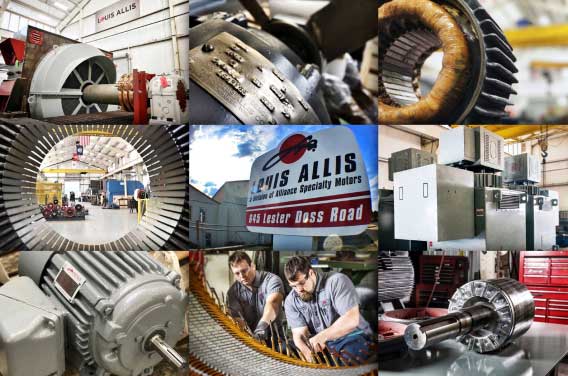
Drawing upon over 120 years of continuous electric motor manufacturing excellence since 1901, our facility delivers specialty custom AC & DC motors engineered up to 20,000 HP. Operating out of our ISO 9001:2015 certified production plant in Warrior, Alabama, we build, remanufacture, and recertify industrial electric motors for critical power generation, oil & gas, mining, marine defense, and heavy manufacturing.
Frequently Asked Questions by Industrial Buyers & Procurement Officers
Expert answers to common engineering questions regarding inverter duty motors, VFD sizing, and shaft voltage mitigation.
TEBC (Totally Enclosed Blower Cooled): Uses an independent constant-speed electric fan motor attached to the motor housing. It is mandatory for heavy continuous constant-torque applications (conveyors, extruders, winches, hoist drives) that operate at low RPMs (below 10–20% of rated speed) for extended periods.