
High-Performance Alternators & Industrial Vibrating Motors
Engineered for extreme duty cycles, continuous baseline loads, and high ambient thermal stress across mining, processing, and heavy industrial plant installations.
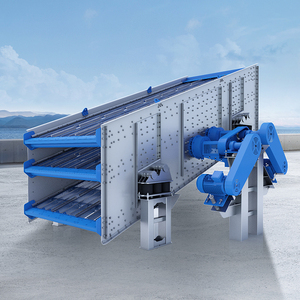
Aggregate Vibrating Screen Machine for Stone Crusher Plant 60-350t/h Ore Processing 30kW Motor High Output Finished Sand
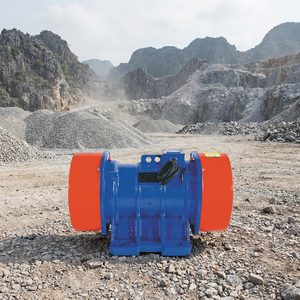
Vibrating Screen Vibrating Feeder & Hopper Vibration Motor for Ore Processing Heavy Load Capacity Durable Engine
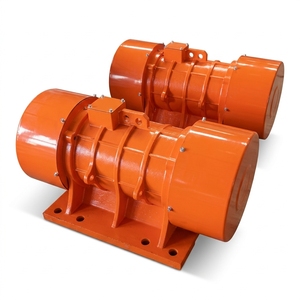
Three Phase Vibration Motor IP65 Waterproof Adjustable Exciting Force for Vibrating Screen Silo Hopper Mining Cement Machinery
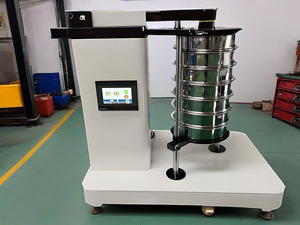
High-Accuracy Stainless Steel Laboratory Rotap Sieve Shaker Vibrating Motor Circular Vibrating Screen for Particle Size
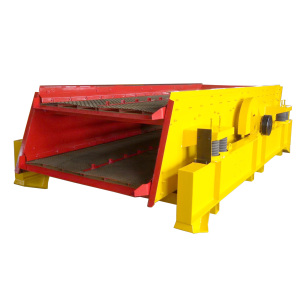
DUOLING Circular Vibrating Screen AC Motor 1-200 Tons Capacity Long Working Life for Ore Core Component Bearing Mining Screening
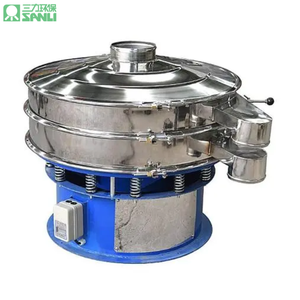
Durable Stainless Steel Rotary Vibrating Screen Motor-Easy-Clean for Food Processing (Dried Fruit Wheat Flour Sieving)-380V/220V
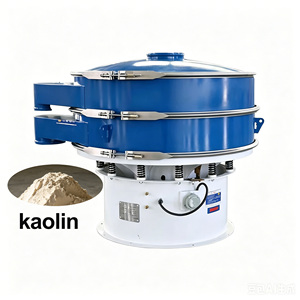
Multi-Layer Rotary Vibrating Screen Vibration Motor | Kaolin Clay Processing | 1-5 Decks Customizable | 100-500 Mesh Industrial
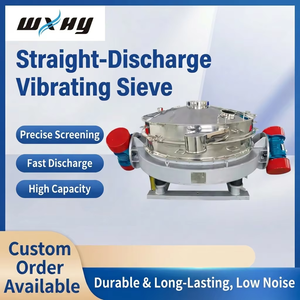
HY-1200-1s Direct Discharge Motor Vibrating Screen 380V CN Industrial Grade Electromechanical Assembly
Executive Overview: The Evolution of China’s Diesel Engine Alternator Manufacturing Sector
In global industrial power infrastructure, the synchronous diesel engine alternator serves as the core electromechanical component responsible for converting mechanical rotation into high-purity electrical power. Over the past two decades, China’s diesel engine alternator manufacturing ecosystem has evolved from basic assembly plants to world-class OEM/ODM research and production powerhouses. Modern Chinese alternators adhere rigorously to global standards, including IEC 60034-1, NEMA MG1-32, ISO 8528-3, and BS 5000.
Today, tier-1 Chinese alternator factories combine heavy-duty electromagnetic engineering with advanced Vacuum Pressure Impregnation (VPI) insulation, digital Automatic Voltage Regulators (AVR), and precision rotor dynamic balancing. This whitepaper provides procurement directors, EPC contractors, and genset packagers with an in-depth technical analysis of alternator topologies, future industry trends, manufacturing evaluation criteria, and total cost of ownership (TCO) optimization models.
Key Takeaway for B2B Sourcing Directors
Sourcing diesel engine alternators directly from leading Chinese OEMs offers a 30% to 45% capital expenditure optimization while matching European baseline reliability metrics. Crucial factors include evaluating excitation architecture (Shunt vs. AREP vs. PMG), copper purity specifications (99.99% oxygen-free), and insulation process compliance.
Technical Architecture of Industrial Synchronous Alternators
An industrial diesel engine alternator operates on Faraday’s law of electromagnetic induction. When coupled directly to a diesel prime mover via flexible disc couplings or single/double bearing configurations, the main rotor establishes a rotating magnetic field that induces alternating current within the stationary armature (stator).
1. Stator Winding & 2/3 Pitch Design
High-tier Chinese manufacturers standardly adopt a 2/3 pitch winding configuration across main stators. This specific electromagnetic layout neutralizes the 3rd, 9th, and 15th triple harmonics, preventing excessive neutral currents and thermal buildup when powering non-linear industrial loads (such as variable frequency drives, UPS systems, and arc furnaces).
2. Excitation Systems Comparison
Selecting the optimal excitation mechanism determines an alternator’s short-circuit current maintenance capacity and transient voltage response during sudden block loading:
| Excitation Type | Short-Circuit Sustained Current | Transient Voltage Dip | Optimal Application Profile |
|---|---|---|---|
| Self-Excited (Shunt) | None (Field collapses on fault) | 18% - 25% on 100% Block Load | Standard standby generators, residential & light commercial sets. |
| Auxiliary Winding (AREP) | 300% for 10 seconds | 12% - 16% on 100% Block Load | Heavy industrial duty, motor starting, continuous baseline operation. |
| Permanent Magnet Generator (PMG) | 300% for 10 seconds (Isolated Power) | < 10% with Digital AVR | Critical infrastructure, data centers, hospitals, marine main power. |
VPI Insulation Process
Vacuum Pressure Impregnation (VPI) utilizes solventless epoxy resin under high pressure to eliminate air voids, yielding IP23 to IP44 mechanical protection and Class H thermal endurance up to 180°C.
Dynamic Rotor Balancing
Main rotors undergo dual-plane dynamic balancing according to ISO 1940 Grade G2.5, ensuring vibration levels stay well below 2.8 mm/s RMS for extended bearing operational life.
Digital AVR Control
Advanced digital Automatic Voltage Regulators deliver precision voltage regulation within ±0.25%, featuring built-in Under-Frequency Roll-Off (UFRO) protection and three-phase sensing.
Future Procurement & Technological Trends (2025–2030)
The global energy transition and digital transformation are reshaping diesel generator set specifications. B2B buyers must anticipate several major technological trends when negotiating contracts with Chinese alternator suppliers:
1. Integration with Dual-Fuel & Green Hydrogen Powerplants
As diesel engines transition to dual-fuel (Natural Gas + Diesel) and zero-carbon hydrogen blends, alternators must withstand higher torsional vibration signatures and rapid transient load dynamics. Factories are enhancing rotor shaft alloys (utilizing high-tensile 40Cr/42CrMo steel) and integrating torsional vibration dampers directly onto single-bearing drive discs.
2. Smart IoT Predictive Diagnostics & Embedded Telemetry
Modern alternators feature embedded IoT sensors measuring stator winding temperature (via PT100 RTDs), bearing vibration vectors, and diode bridge health. Leading Chinese manufacturers are equipping medium and high-voltage alternators with edge-computing modules that communicate via Modbus RS485 or CANbus to cloud-based predictive maintenance systems.
3. Ultra-Low THD for Sensitive Data Center Loads
Hyperscale data centers require strict wave shape specifications. Chinese factories are engineering specialized stator slots and skewed rotor laminations that reduce Total Harmonic Distortion (THD) below 1.5% under linear loads and below 3% under non-linear UPS inverter loads.
4. Modular High-Efficiency High-Voltage (6.6kV – 11kV) Alternators
To reduce transmission copper losses in large industrial plants and utility-scale standby stations, demand is rapidly shifting from low-voltage (400V/480V) units to medium/high-voltage alternators. Chinese facilities have scaled up cleanroom winding facilities specifically for HV mica-tape insulation systems.
Manufacturing Capabilities & Strategic Enterprise Advantages
Inheriting over a century of heavy electrical equipment engineering lineage—amplified by modern state-of-the-art Chinese manufacturing scale—our manufacturing ecosystem delivers unmatched technical capability to global industrial markets.
120+ Years Heritage
Combining legacy American electrical engineering standards with Chinese high-capacity production facilities.
ISO 9001:2015 & MIL-SPEC
Fully certified quality control processes, including Navy-sealed winding specs and UL/CE compliance.
Up to 20,000 HP / 15MW
Massive testing bays capable of full-load non-linear testing and high-voltage insulation breakdown analysis.
Global Service Support
Comprehensive field support, quick-turn custom replacement components, and OEM power packaging consulting.
Quality Assurance Matrix: Testing Every Alternator Prior to Delivery
Every unit produced undergoes a rigorous multi-stage quality protocol prior to dispatch:
- High-Potential (Hi-Pot) Insulation Test: Verifies primary stator and rotor insulation up to 2,000V + 2x Rated Voltage.
- Surge Comparison Testing: Identifies inter-turn insulation weaknesses prior to epoxy resin dipping.
- Dynamic Vibration Analysis: Fast Fourier Transform (FFT) spectrum analysis to detect dynamic imbalance.
- Thermal Rise Performance Validation: Full load temperature testing in environmental chamber conditions.
Frequently Asked Sourcing & Technical Questions (FAQ)
Request a Custom Engineering Consultation & OEM Quote
Partner with China’s leading industrial alternator engineering team. Contact our technical sales department today for detailed CAD dimensional drawings, electrical performance data sheets, and competitive direct factory pricing.
Inquire Now