
Featured Product Catalog
OEM Stern & Bow Thruster Motor Configurations
Explore our field-proven marine electric motors, ranging from low-voltage precision ROV propulsors to heavy-duty 50kW+ permanent magnet stern drive assemblies engineered for severe submerged duty.
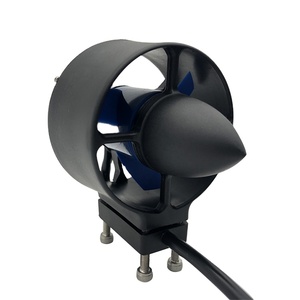
TD4.8KG 12v DC Motor Propeller Marine Used Bow Thruster 48v 320w Electric Stern Rov Thruster Underwater With 100A ESC for Boat
Get a Quote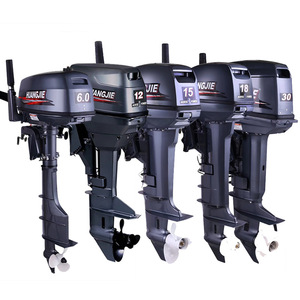
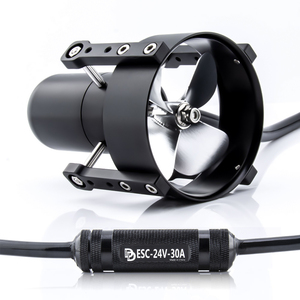
New Condition Electric Thruster Motor Propeller for Fishing Boat Rubber Boat Stern Outboard Two-Stroke Four-Stroke
Get a Quote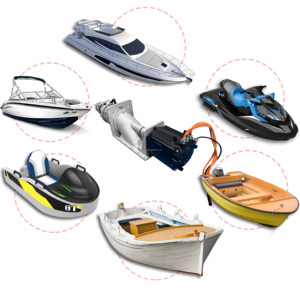
72V 20HP DC Motor Marine Propeller 5600 RPM Boat Stern Thruster Inboard and Outboard Engines for Jet Ski Aluminum Fishing Boat
Get a Quote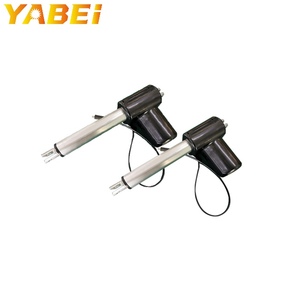
Jet Motors Twin Electric China Dc Skiing 12V Rov Thrusters Ev Conversion Kit Sealin Stern Thruster 5Kw Sea Dison Motor Mechanic
Get a Quote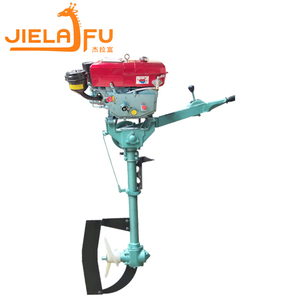
8hp 5kw 6kw R180 Engine Marine Propeller Vertical Outboard Sterndrive Thruster Core Motor Diesel Electric Options Available
Get a Quote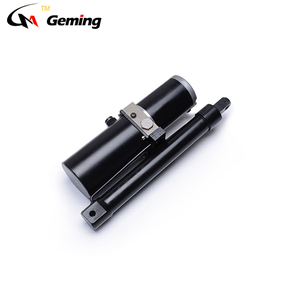
Stern Drive Marine Electric Boat Motor Pod 48V Bow Thruster 10 Ton Propulsion Sail 50Kw Permanent Magnet Kw Dc Inboard
Get a Quote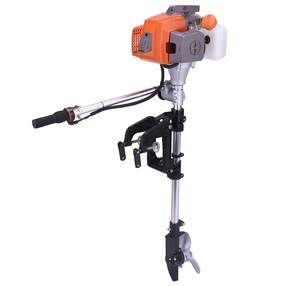
Engine for Small Boat Stern Motor Fishing Boat Propeller Thruster Heavy Duty Marine Compact Core
Get a Quote
Industry Technical Whitepaper
Engineering Excellence in Custom OEM Stern Thruster Motor Manufacturing
Deciphering the mechanical, thermal, and hydrodynamic parameters required for severe-duty marine propulsion solutions.
Submerged Ingress Sealing (IP68+)
Utilizing multi-stage mechanical seals, double lip Viton oil seals, and custom pressure-compensated oil baths, our thruster motors maintain zero-ingress integrity under hydro-static pressures exceeding 50 bar, ensuring permanent protection against saltwater intrusion.
High Magnetic Density PMAC & BLDC
By integrating rare-earth Neodymium (NdFeB) high-temperature permanent magnets with computer-optimized stator tooth geometry, our electric thruster cores achieve power densities up to 4.2 kW/kg while minimizing cogging torque for whisper-quiet hydro-acoustic profiles.
Anti-Galvanic & Marine Metallurgy
Precision-machined housings built from hard-anodized 6061-T6 aluminum, 316L stainless steel, or nickel-aluminum bronze (NAB). Combined with sacrificial zinc/aluminum anodes, our motors prevent galvanic pitting in aggressive saline and brackish waters.
In modern naval architecture, stern thrusters are no longer considered mere auxiliary docking aids. They are integral to Dynamic Positioning System (DP2/DP3) integration, zero-emission harbor maneuvering, autonomous unmanned surface vessel (USV) propulsion, and station-keeping under harsh offshore environmental vectors. As global maritime authorities enforce stricter carbon reduction directives (such as IMO 2030/2050), vessel engineers are rapidly replacing traditional internal combustion auxiliary drives with high-efficiency direct-drive permanent magnet synchronous stern thrusters.
As a specialized Custom OEM Stern Thruster Motors Supplier and Exporter, our manufacturing paradigm bridges the gap between customized naval engineering requirements and cost-effective batch production. By leveraging automated vacuum pressure impregnation (VPI) with Class H insulation resins, custom-turned marine grade shafts, and real-time thermistor monitoring, our stern drive motors deliver unmatched thermal headroom and dynamic thrust responsiveness across all operating envelopes.
Technical Engineering Specifications
OEM Customization & Performance Matrix
Standardized electrical, mechanical, and thermal design parameters available for custom OEM stern thruster engineering orders.
| Specification Parameter | Light Duty / ROV Thrusters | Commercial Stern Thrusters | Heavy Industrial Pod Thrusters |
|---|---|---|---|
| Operating Voltage Envelope | 12V DC – 48V DC | 48V DC – 96V DC / 300V EV Bus | 400V AC – 690V AC / High-Voltage DC |
| Continuous Power Output | 320W – 3.5 kW | 5 kW – 20 kW (27.2 HP) | 25 kW – 50 kW+ (68 HP+) |
| Motor Architecture | Brushless DC (BLDC) Inner Rotor | Permanent Magnet AC (PMAC) / BLDC | Heavy-Duty Induction / High-Torque PMAC |
| Rated Speed Range | 2,400 RPM – 5,600 RPM | 1,500 RPM – 3,600 RPM | 850 RPM – 1,800 RPM (Direct Drive) |
| Ingress Protection Rating | IP68 (100m water column depth) | IP68 (Oil-Filled / Pressure Equalized) | IP68 Submersible / Dual Shaft Seals |
| Thermal Insulation Class | Class F (155°C) | Class H (180°C) VPI Sealed | Class H / Custom Liquid Cooled Jacket |
| Propeller Coupling Interface | Direct Drive / Shear Pin Shaft | Splined Keyway / Taper Shaft | Integrated Planetary Gearbox / Flange |
| Control Interface & ESC | PWM / CANbus / 100A Sensorless ESC | CANopen / J1939 / Vector FOC Drive | Industrial VFD with Closed-Loop Encoder |
* Custom electrical windings, shaft extensions, mounting flanges, and submerged cable lengths engineered upon request. Contact Engineering Team for CAD Models.
Application-Driven Analysis
Detailed Breakdown of OEM Thruster Applications
Matching specialized marine motor mechanics with specific operational environments and hydrodynamic demands.
Commercial Fishing & Workboat Stern Drives
Aluminum workboats, rubber tenders, and commercial fishing vessels require sustained, high-duty thrust for low-speed maneuvering and net towing. Our 72V 20HP (5600 RPM) DC Thruster Motors and 8hp 5kw-6kw sterndrive cores provide immediate transient torque response, allowing operators to counteract strong cross-currents and tight harbor obstacles without straining primary propulsion engines.
ROV & Unmanned Underwater Vehicles (UUV)
Deep-sea exploration, subsea pipeline inspection, and defense ROVs demand miniaturized propulsion units with high thrust-to-weight ratios. The TD4.8KG 12V/48V 320W Submersible Thruster features a matched 100A Electronic Speed Controller (ESC) utilizing Field Oriented Control (FOC). This ensures ultra-smooth vector maneuvering, minimal electromagnetic interference (EMI) with onboard sonar, and millisecond-level thrust reversal response.
All-Electric Pod Propulsion & EV Conversion Kits
As recreational and commercial marine sectors shift toward full electrification, our 50kW 48V Permanent Magnet Pod Motors and 5kW Twin Jet EV Kits represent the state of the art in clean propulsion. Eliminating traditional long driveshafts, stuffing boxes, and noisy gearing, these direct-drive submerged pod motors provide silent operations, zero carbon emissions, and virtually zero routine mechanical maintenance.
Market Foresight & Procurement Strategy
Future Procurement Trends in Marine Electric Thrusters
Strategic insights for procurement directors, naval architects, and marine hardware distributors navigating the 2025–2035 technology shift.
1. Silicon Carbide (SiC) ESC Integration
Next-generation motor procurement increasingly favors integrated motor-drive packages utilizing Silicon Carbide (SiC) and Gallium Nitride (GaN) power electronics. These wide-bandgap semiconductors allow Electronic Speed Controllers (ESCs) to switch at higher frequencies with up to 98.5% efficiency. This dramatic reduction in switching heat generation allows ESCs to be built directly inside the submerged thruster hub, eliminating long, shielded AC motor cables and reducing overall system weight by up to 30%.
2. Standardization of Smart CANbus & NMEA2000 Protocols
Analog thruster control interfaces (0-5V / 4-20mA) are rapidly being phased out by defense and commercial shipbuilders in favor of digitized, fault-tolerant telemetry. Modern procurement specifications dictate native CANopen, SAE J1939, or NMEA 2000 communication protocols. This enables real-time diagnostic reporting from the thruster motor core directly to the bridge—monitoring stator winding temperature, shaft vibration, seal integrity moisture sensors, and power draw in real time.
3. Rim-Driven & Hubless Thruster Architectures
For luxury yachts, oceanographic research vessels, and covert military surface crafts, noise signature reduction (hydro-acoustics) is paramount. The market is shifting toward Rim-Driven Motors (RDM), where the permanent magnet stator is embedded within an outer ring duct and the propeller blades point inward without a central hub. This design eliminates hub cavitation, prevents line entanglement in commercial fishing zones, and reduces acoustic noise signatures by up to 15 dB.
4. Modular Hybrid & Retrofit-Ready Drive Cores
To avoid stranded assets during the marine energy transition, fleet managers are requesting hybrid-ready sterndrive thrusters. These custom units feature dual input shaft options or combined diesel-electric core flanges (such as our 8hp / 5kW-6kw series), allowing vessels to operate on quiet zero-emission electric power while in harbor or dynamic positioning modes, and seamlessly switch to mechanical engine power during open-sea transit.
Procurement & Technical FAQ
Frequently Asked Questions
Addressing critical engineering, manufacturing, custom OEM, and international supply chain inquiries.
What differentiates BLDC/PMAC stern thruster motors from conventional induction marine motors?
Permanent Magnet Brushless (BLDC/PMAC) motors utilize high-grade NdFeB permanent magnets on the rotor, eliminating rotor copper losses and heat. This yields significantly higher torque-to-weight ratios (up to 40% smaller footprint), 93-95% electrical efficiency, and instant high-torque starting characteristics essential for rapid vessel response during bow or stern thruster maneuvering.
What engineering customizations do you offer for OEM buyers and shipyards?
As a direct OEM manufacturer and exporter, we provide fully customized shaft profiles (splined, keyed, tapered, stainless steel alloys), specialized mounting flanges (NEMA, IEC, SAE, or custom transom geometry), tailored winding KV configurations (matching specific battery bank voltages from 12V to 700V DC), custom IP68 submerged cable gland assemblies, and tailored marine paint coatings (C5-M anti-corrosion rated).
How do your submerged thruster motors handle heat dissipation under continuous heavy load?
Our submerged thruster designs utilize the surrounding water body as an infinite heat sink via conductive aluminum or bronze housing walls (Direct Fluid Cooling). For heavy-duty high-voltage applications (20kW to 50kW+), we incorporate internal oil circulation grooves or closed-loop liquid jacket channels, ensuring stator temperatures remain well within Class H (180°C) limits even during prolonged 100% duty cycle operations.
What mechanical shaft sealing systems are deployed to prevent seawater ingress?
We employ a redundant multi-barrier sealing strategy. This includes twin Viton radial shaft seals backed by a precision SiC/SiC (Silicon Carbide) mechanical face seal. For deep-water submerged ROV applications or continuous-duty stern pods, we utilize pressure-compensated, oil-filled housing cavities that maintain internal pressure slightly above ambient water pressure, physically preventing seawater intrusion even if the outer lip seal experiences wear.
What quality certifications and testing procedures govern your manufacturing facility?
Our manufacturing partner facility operates under an ISO 9001:2015 Quality Management System. Every manufactured thruster core undergoes rigorous quality control checks including stator insulation surge testing, VPI insulation resistance verification, dynamic 2-plane balancing to ISO 1940 Grade G2.5, full-immersion hydro-static pressure testing, and automated dynamometer load performance mapping before export shipping.
What is the typical lead time for custom OEM prototype development vs bulk export orders?
Standard modified catalog units can be dispatched within 2 to 3 weeks. Custom OEM prototype engineering projects (including ground-up electromagnetic design and custom housing castings) typically require 6 to 8 weeks from CAD sign-off. Bulk commercial export shipments are scheduled based on production milestones, with expedited air freight or maritime container logistics options available globally.
World-Class Manufacturing & Engineering
Why Partner With Us For Your Marine Propulsion Requirements
Leveraging over a century of electric motor manufacturing legacy, engineering innovation, and heavy-duty industrial design, our enterprise stands as a global leader in custom specialty motor manufacturing. From industrial ball mills and heavy mining machinery to subsea naval propulsion and high-torque stern thrusters, we deliver uncompromised reliability when performance is critical.
Enterprise Capabilities At A Glance
ISO 9001:2015 & MIL-SPEC Standard Compliance
Stringent quality control protocols matching global industrial & naval defense standards.
Complete In-House R&D and CAD/CAM Prototyping
Finite Element Analysis (FEA), Computational Fluid Dynamics (CFD), and custom winding design.
Global Export & Seamless OEM Supply Chain
Exporting high-reliability motor systems to over 60 countries with full logistics support.
Field Engineering & Lifetime Technical Support
Dedicated application engineers available for system integration, commissioning, and spare parts.