
Featured Industrial Squirrel Cage & Vibration Motors
Directly sourced from leading ISO 9001:2015 certified OEM factories in China. Specially engineered for mining, aggregate screening, powder processing, and continuous heavy-duty duty cycles.
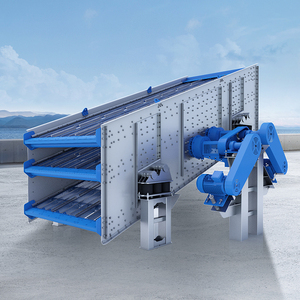
Aggregate Vibrating Screen Machine 30kW Motor
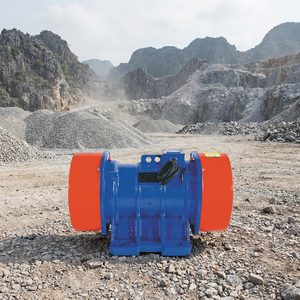
Heavy-Duty Hopper & Feeder Vibration Motor
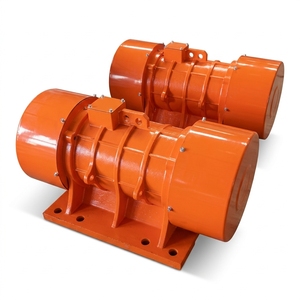
Three Phase IP65 Waterproof Adjustable Exciting Force Motor
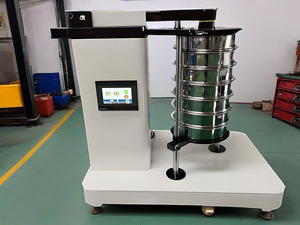
High-Accuracy Laboratory Rotap Sieve Shaker Motor
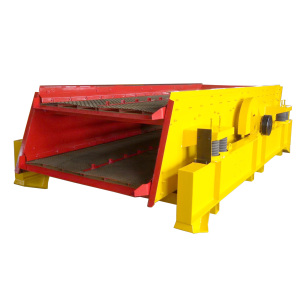
DUOLING Circular Vibrating Screen Industrial AC Motor
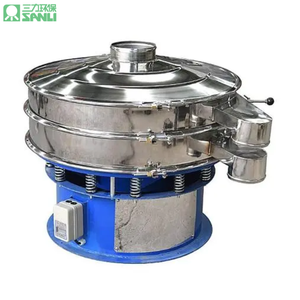
Sanitary Stainless Steel Food-Grade Rotary Screen Motor
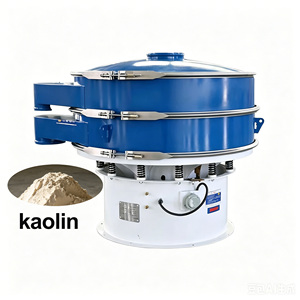
Multi-Layer Kaolin Clay Rotary Screen Vibration Motor
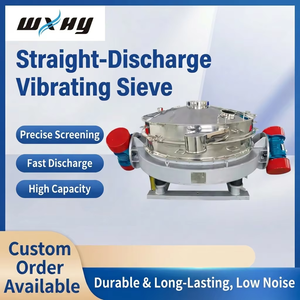
HY-1200-1s Direct Discharge Compact Vibrating Motor
1. Technical Overview: The Engineering Dominance of Squirrel Cage Induction Motors
Three-phase Squirrel Cage Induction Motors (SCIM) represent the undisputed backbone of modern global industry, accounting for over 85% of all electro-mechanical energy conversion systems deployed across heavy industrial operations. Named after the structural resemblance of its rotor conductive bars and end-rings to a exercise wheel, the squirrel cage rotor operates on the fundamental physical principles of electromagnetic induction discovered by Michael Faraday and mathematically formulated by Nikola Tesla.
Unlike slip-ring wound-rotor induction motors or synchronous machines that rely on external slip rings, brushes, or direct current excitation, squirrel cage motors feature a self-contained, brushless rotor architecture. The stator winding, excited by a balanced three-phase alternating current (AC) power supply, creates a magnetic field rotating at synchronous speed:
Ns = (120 × f) / P
Where Ns is Synchronous Speed (RPM), f is Line Frequency (Hz), and P is the Total Number of Stator Magnetic Poles.
As this rotating magnetic flux cuts through the short-circuited rotor bars, it induces electromotive force (EMF) and corresponding heavy induced currents. The interaction between the stator magnetic field and the induced rotor currents generates powerful electromagnetic torque, pulling the rotor in the direction of the rotating field. The fractional difference between the synchronous speed and the actual rotor mechanical speed ($N_r$) is defined as Slip ($s$), which typically ranges from 1.5% to 5% under full design load.
Robust Mechanical Construction
Eliminating brushes, commutators, and slip rings drastically reduces friction wear points. Die-cast aluminum or heavy copper rotor bar assemblies are permanently shorted by end rings, creating an almost indestructible electro-mechanical structure capable of enduring high mechanical stress.
Thermal & Electrical Efficiency
Modern Chinese manufacturing utilizes high-permeability cold-rolled silicon steel laminations (M270-M600 grades) combined with Class H resin VPI (Vacuum Pressure Impregnation) insulation systems, allowing continuous full-load duty (S1) at elevated ambient temperatures without thermal breakdown.
VFD Inverter-Duty Compatibility
Equipped with spike-resistant magnet wire conforming to NEMA MG1 Part 31 standards, premium squirrel cage motors handle rapid PWM voltage rise times (dV/dt) from Variable Frequency Drives (VFDs), allowing precise speed regulation from 1 Hz to 120 Hz.
2. Enterprise Advantages: China Manufacturing Scale & Heritage Standards
When global B2B procurement managers evaluate top China squirrel cage motor manufacturers and OEM factories, the criteria extend far beyond initial unit price. Modern Chinese motor manufacturing facilities combine extensive industrial supply-chain ecosystems with century-long engineering standards heritage (incorporating technical methodologies pioneered by entities like Louis Allis and WorldWide Electric).
Advanced In-House Manufacturing Capabilities
Tier-1 Chinese motor production hubs integrate automated CNC stator slotting, high-speed lamination stamping presses, robotic copper coil winding, dynamic rotor balancing machines (ISO 1940 Grade G2.5 precision), and environmental VPI curing tanks. This vertical integration guarantees rigid tolerance control for low-voltage (LV) and medium/high-voltage (MV/HV) motor units rated from 0.75 kW up to massive 15,000 kW (20,000 HP) Above-NEMA frames.
- Class H & Class F Insulation Systems: Dual-coated corona-resistant magnetic copper wire rated for 180°C to 200°C thermal endurance.
- MIL-SPEC & Heavy Marine Sealed Windings: Specialized epoxy encapsulation techniques for extreme humidity, subsea pump drives, and Navy-standard vibration protection.
- Rigorous Load Testing Facilities: Full-load dynamometer testing, harmonic distortion analysis, and temperature-rise verification per IEEE 112 Method B standards.
Standardization & Quality Compliance
Leading export-oriented factories maintain strict global certifications ensuring seamless interchangeability with existing Western industrial machinery:
Whether requiring custom shaft extensions, special flange dimensions (C-Face, D-Flange), non-standard voltage inputs (e.g., 660V, 3300V, 6600V, 11000V), or heavy vibratory exciter housings, OEM engineering teams deliver rapid prototype turnarounds within 14-21 days.
3. Comparative Engineering Matrix: NEMA Design Types vs. IEC Duty Cycles
Selecting the correct torque-speed curve and thermal duty cycle is critical to prevent premature stator burnout or starting failures in heavy machinery.
| Design Standard | Starting Torque (% Full Load) | Breakdown Torque (% Full Load) | Starting Current | Slip Range | Typical Industrial Applications |
|---|---|---|---|---|---|
| NEMA Design B / IEC Normal | 120% - 200% | 200% - 250% | Normal (5-7x In) | < 5% | Centrifugal Pumps, Fans, Blowers, Machine Tools, General TEFC Conveyors |
| NEMA Design C / High Torque | 200% - 250% | 190% - 225% | Normal (5-7x In) | < 5% | Crushers, Heavy Vibrating Screens, Slurry Pumps, Reciprocating Compressors |
| NEMA Design D / High Slip | 275% - 300% | N/A (Peak at locked rotor) | Low (3-5x In) | 5% - 13% | High-Inertia Punch Presses, Hoists, Winches, Oilfield Beam Pumping Units |
| Specialized Vibration Motor Duty | 250% - 350% | 300% - 400% | High Reinforced Construction | 3% - 6% | Aggregate Sieves, Kaolin Clay Rotary Screens, Hopper Dischargers, Ore Crushers |
4. Future Procurement & Technology Trends in Squirrel Cage Motors
The global electric motor industry is undergoing a structural transition driven by decarbonization mandates, smart industrialization (Industry 4.0), and advanced material science.
Transition to IE4 (Super-Premium) & IE5 (Ultra-Premium) Efficiency
Global environmental regulatory frameworks—including the European Union Ecodesign Regulation (EU 2019/1781) and China's updated national standard GB 18613-2020—have rendered IE2 efficiency obsolete and placed stringent mandates on IE3 and IE4 compliance. Leading Chinese factories are pioneering die-cast copper rotor technology and ultra-thin (0.2mm - 0.35mm) high-silicon electrical steel laminations to achieve IE5 efficiency ratings without escalating overall motor frame sizes.
Procurement Impact: Upgrading from IE2 to IE4 efficiency yields an estimated operational payback period of 8 to 14 months under continuous S1 duty cycles, significantly lowering long-term Total Cost of Ownership (TCO).
Smart Motorization & Predictive IIoT Maintenance Integration
Modern high-capacity squirrel cage motors produced in China are increasingly embedded with wireless Smart IIoT sensor suites. Integrated tri-axial MEMS accelerometers measure vibration spectrums in real-time, while embedded PT100 RTD resistance temperature detectors monitor stator winding and bearing temperatures.
Procurement Impact: Data is wirelessly transmitted via MQTT/Modbus to cloud diagnostic dashboards, permitting automated predictive maintenance alerts prior to catastrophic bearing fatigue, winding insulation breakdown, or mechanical misalignment.
VFD Inverter-Duty Insulation & Shaft Current Mitigation
With over 60% of modern industrial squirrel cage motors driven by Variable Frequency Drives (VFDs) to regulate flow rate and conserve energy, high-frequency common-mode voltages (CMV) often induce destructive shaft voltages. These voltages cause electrical discharge machining (EDM) fluting across bearing raceways.
Procurement Impact: Top Chinese manufacturers now standardly equip VFD-ready motors with hybrid ceramic insulated bearings (Si3N4), conductive shaft grounding rings (SGR), and Class H anti-corona magnet wire.
Advanced Vibration Exciter Engineering for Material Processing
For demanding aggregate screening, mining ore separation, and pharmaceutical sieving applications, specialized vibration squirrel cage motors are replacing legacy belt-driven eccentric shaft systems. By integrating adjustable eccentric weight discs directly onto dual shaft extensions, these compact motors deliver direct mechanical excitation forces ranging from 1.5 kN to over 220 kN.
Procurement Impact: Sealed IP65/IP66 enclosures and nodular cast iron housings ensure maintenance-free operation in heavy dust, slurry, and food processing environments.
5. B2B Buyer's Guide: Total Cost of Ownership (TCO) & Factory Audit Checklist
Acquisition cost represents less than 5% of a heavy-duty electric motor's total lifetime operating cost. Power consumption accounts for over 90%.
When evaluating suppliers from China, global engineering procurement teams must evaluate the mathematical Total Cost of Ownership (TCO) formula to determine true commercial value:
TCO = C_purchase + C_installation + ∑ [ (P_kW × L × Hours × Rate) / Efficiency_% ] + C_maintenance + C_downtime
Phase 1: Factory Audit & Technical Capability
- Verify VPI insulation tank pressures and resin baking time cycles.
- Confirm dynamic balancing grade (ISO 1940 G2.5 vs G6.3).
- Inspect raw material sources (copper purity > 99.97%, silicon steel sheet origin).
Phase 2: Mechanical & Electrical Inspection
- Stator winding resistance balance check across phases (< 1% deviation).
- High-potential (Hi-Pot) electrical surge test (2U + 1000V).
- Bearing housing tolerance and grease lubrication channel seal inspection.
Phase 3: Logistics & Overseas Packaging
- Fumigated solid wooden crates with internal anti-rust vapor barrier bags.
- Rotor shaft locking brackets to prevent bearing brinelling during sea transit.
- Spare parts availability (bearings, terminal boxes, seal kits).
6. Frequently Asked Questions (FAQ) - Procurement & Technical Specifications
Expert responses to common technical inquiries raised by industrial plant managers, electrical engineers, and global B2B procurement agents.
What is the structural difference between a standard squirrel cage motor and a vibration motor?
A standard industrial squirrel cage motor (TEFC) is designed to transmit smooth rotational mechanical torque via its shaft extension to a load (pumps, fans, gearboxes) while minimizing internal vibration. In contrast, a vibration motor is intentionally engineered with heavy-duty eccentric weights attached to both ends of an elongated rotor shaft. The motor frame, end-covers, and internal bearings are specifically reinforced with high-tensile nodular iron to withstand continuous heavy centrifugal vibration force (g-force) transferred directly to vibrating screens, feeders, or hoppers.
Why choose China Top Squirrel Cage Motors Manufacturers for industrial OEM machinery?
China's electric motor manufacturing ecosystem provides an unbeatable combination of complete vertical supply-chain integration (domestic access to rare-earth magnets, copper, electrical steel, and precision casting foundries), advanced automated production scale, and full compliance with international standards (IEC, NEMA, IEEE, UL, CE). Global OEMs benefit from significant cost efficiencies, rapid customization capabilities, and proven reliability across demanding mining, aggregate, and chemical plant environments.
How does an IE4 Super-Premium efficiency squirrel cage motor reduce operating costs?
An IE4 motor reduces total electrical and magnetic losses by 15% to 20% compared to an IE3 motor, and up to 45% compared to legacy IE1/IE2 units. Because continuous industrial motors consume their initial purchase price in electricity within 1,000 to 2,000 operating hours, the energy savings generated by IE4 efficiency directly reduce facility utility bills and significantly lower kilowatt-hour (kWh) cost over a typical 15-to-20-year equipment service life.
Can Chinese three-phase squirrel cage motors operate on 60Hz power grids in North America?
Yes. While standard European and Asian industrial grids operate at 50Hz (e.g., 380V, 400V, 415V), leading Chinese manufacturers produce dual-frequency (50Hz/60Hz) or fully customized 60Hz motors designed specifically for North American standards (e.g., 230V/460V, 575V under NEMA MG1 specifications). When running a 50Hz motor on a 60Hz supply at adjusted voltage, synchronous speed increases by 20%, which factory engineering teams factor into cooling fan and winding design.
What protection rating (IP Code) is required for aggregate screening and mining motors?
For dusty, outdoor, wet, or mining environments, a minimum protection rating of IP65 (Complete dust-tight protection and water-jet resistance) or IP66 is strongly recommended. Additionally, motors installed in wash-down or chemical environments should feature stainless steel fasteners, specialized lip seals (V-ring / labyrinth oil seals), and anti-corrosion epoxy paint coatings.
What measures prevent bearing damage when driving squirrel cage motors with VFDs?
To eliminate electrical discharge machining (EDM) fluting caused by VFD high-frequency shaft voltages, engineers specify: (1) Insulated ceramic bearings on the non-drive end (NDE), (2) Conductive micro-fiber shaft grounding rings installed on the drive end (DE), and (3) Shielded inverter-duty cables with symmetric grounding. Stator windings must also feature Class H corona-resistant magnet wire and VPI epoxy treatment.
How do I adjust the exciting force on a multi-layer vibrating screen motor?
Vibration squirrel cage motors feature adjustable eccentric weight blocks at both shaft ends. By loosening the outer clamp bolts and rotating the adjustable outer eccentric disc relative to the fixed inner disc, the angular offset is modified. This alters the percentage of maximum amplitude excitation force (typically adjustable from 0% to 100%) to match the screening density and mesh sizing requirements of kaolin clay, sand, or mineral ores.
What lead times and testing documentation should B2B buyers expect for custom orders?
Standard production lead times for cast-iron squirrel cage motors up to 315 kW range from 15 to 25 days. Large Above-NEMA high-voltage units require 35 to 50 days. Top-tier Chinese manufacturers provide complete factory inspection dossiers, including routine test reports (no-load current, winding resistance, dielectric withstand), full-load type test certificates (IEEE 112 Method B), noise level reports, and vibration velocity analysis certificates.
Partner with China's Premier Electric Motor Engineers
Whether you require high-efficiency TEFC squirrel cage motors, specialized heavy-duty vibration motors for mining screens, or complete custom-engineered Above-NEMA motor builds up to 20,000 HP, our technical sales team provides comprehensive CAD modeling, factory pricing, and full engineering support.