
High-Torque Cement Kiln & Industrial Screening Drive Systems
Explore our export-certified heavy industrial motors engineered for extreme continuous duty (S1/S8), high thermal stress, shock vibration, and dust-heavy processing environments.
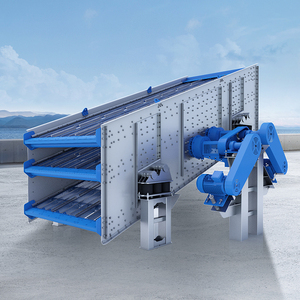
Aggregate Vibrating Screen Machine for Stone Crusher Plant 60-350t/h Ore Processing 30kW Motor High Output Finished Sand
App: Ore Processing & Aggregates
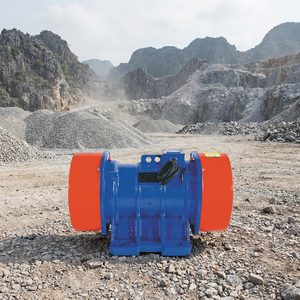
Vibrating Screen Vibrating Feeder & Hopper Vibration Motor for Ore Processing Heavy Load Capacity Durable Engine
App: Kiln Raw Meal & Hopper Feeding
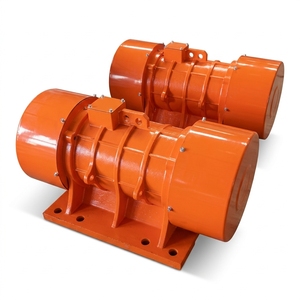
Three Phase Vibration Motor IP65 Waterproof Adjustable Exciting Force for Vibrating Screen Silo Hopper Mining Cement Machinery
Rating: IP65 / Class H Thermal Insulation
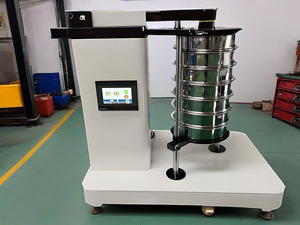
High-Accuracy Stainless Steel Laboratory Rotap Sieve Shaker Vibrating Motor Circular Vibrating Screen for Particle Size
Material: 316L/304 Stainless Steel
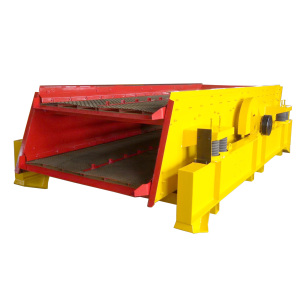
DUOLING Circular Vibrating Screen AC Motor 1-200 Tons Capacity Long Working Life for Ore Core Component Bearing Mining Screening
App: Heavy Clinker & Ore Screening
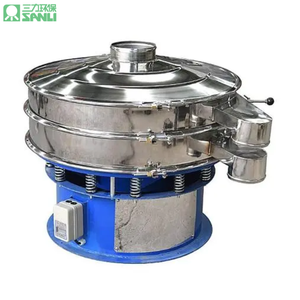
Durable Stainless Steel Rotary Vibrating Screen Motor-Easy-Clean for Food Processing (Dried Fruit Wheat Flour Sieving)-380V/220V
Structure: Dust-Tight Easy-Clean Alloy
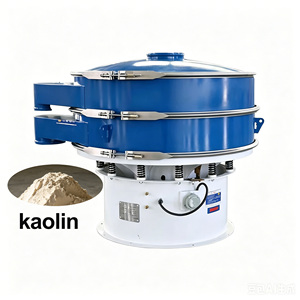
Multi-Layer Rotary Vibrating Screen Vibration Motor | Kaolin Clay Processing | 1-5 Decks Customizable | 100-500 Mesh Industrial
App: Mineral Powder & Cement Additives
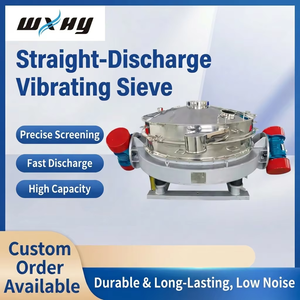
HY-1200-1s Direct Discharge Motor Vibrating Screen 380V CN Heavy Industrial Kiln Auxiliary Equipment
Rating: 380V/50Hz Heavy Industrial Duty
High-Torque Cement Kiln Drive Engineering: Technical Standards & Operational Demands
Rotary kilns represent the thermal and operational heart of cement manufacturing plants. As a top China supplier and global exporter of heavy-duty electric motors, our engineering architecture addresses the brutal mechanical dynamic loads, continuous high thermal ambient heat, and extreme starting torque requirements inherent to modern calcination processes.
High Breakaway Starting Torque
Rotary kiln drives require exceptional starting torque capability (up to 250%-300% of nominal torque) to overcome massive static inertia, unseated raw meal loads, and refractory brick friction under cold restart or full-load emergency startup conditions.
Severe Thermal & Ambient Stress
Positioned near the burning zone, kiln main drives and auxiliary drive motors operate under ambient temperatures often exceeding 55°C. Built with Class H VPI (Vacuum Pressure Impregnation) insulation and Class F temperature rise allowances for maximum operational reliability.
Wide-Range Variable Frequency (VFD)
Equipped with insulated bearings (ceramic hybrid or grounding rings) to eliminate dV/dt shaft current fluting. Fully compatible with modern 6-pulse and 12-pulse Variable Frequency Drives for seamless turn-down ratios from 1:10 up to 1:100.
Over Century-Grade Engineering Heritage Combined with Advanced Export Infrastructure
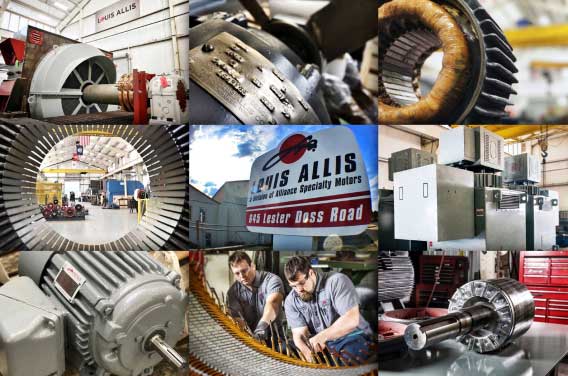
As a leading specialized electric motor exporter and manufacturer, our production ecosystem draws upon nearly a century of heavy industrial electric motor engineering expertise (built on standards pioneered by industry leaders like Louis Allis and WorldWide Electric). Operating from state-of-the-art facilities certified under ISO 9001:2015, IEEE 841, EASA AR100, and MIL-SPEC standards, we produce medium and high-voltage AC/DC electric drives up to 20,000 HP.
In cement processing facilities across the Middle East, Southeast Asia, South America, and Africa, kiln drives cannot afford unscheduled shutdowns. A single kiln stoppage can incur losses exceeding $100,000 per day in lost clinker production. Our custom cement kiln motors are engineered with heavy cast-iron or fabricated steel enclosures, custom shaft dimensions, dynamic balancing to ISO 1940 Grade G1.0, and double-sealed terminal boxes to withstand abrasive clinker dust and relentless vibration.
Future Procurement Trends in Cement Kiln & Heavy Industrial Motor Drives
The global cement manufacturing sector is undergoing a massive transformation driven by decarbonization targets, energy cost reduction, and Industry 4.0 digitalization. Procurement directors must align motor sourcing strategies with these five core technological shifts.
IE4 & IE5 Efficiency Mandates
With electric energy consuming up to 70% of a cement plant's operational budget, procurement is shifting rapidly toward IE4 Super-Premium and IE5 Ultra-Premium synchronous reluctance and permanent magnet motors to lower Total Cost of Ownership (TCO).
IIoT Smart Condition Sensors
Modern cement kiln motors now integrate wireless vibration, thermal, and magnetic flux sensors directly into stator housings. Real-time telemetry feeds cloud-based AI predictive maintenance platforms to predict bearing fatigue and winding degradation before failure occurs.
Transition from DC to AC Inverter Drives
While legacy kilns relied on DC slip-ring or DC shunt motors, global cement producers are converting to AC Squirrel Cage and Slip-Ring motors powered by high-power VFDs to eliminate brush maintenance and carbon dust short-circuits.
Modular Heavy-Duty Customization
Supply chain resiliency requires customizable mounting frames, multi-voltage windings (380V/440V/3.3kV/6.6kV/10kV), and rapid-delivery modular spares to reduce lead times from months to weeks.
Advanced Bearing Protection & Insulating Coatings
Standard motors fail prematurely under VFD high-frequency common-mode voltages. Modern procurement mandates ceramic hybrid bearings (Si3N4), grounding micro-fiber rings, and reinforced turn-to-turn insulation.
Comparative Specification Matrix: Kiln Drives vs. Heavy Vibrating Screen Motors
Selection of heavy-duty electric motors across cement process stages requires precise match between mechanical torque characteristics, thermal duty cycle, and ingress protection ratings.
| Application Category | Typical Power Range | Duty Cycle (IEC 60034) | Insulation / Temp Rise | Starting Torque Ratio | Ingress & Shaft Protection |
|---|---|---|---|---|---|
| Main Kiln Drive Motor | 250 kW – 3,500 kW (Above NEMA) | S1 Continuous / S8 Variable Speed | Class H VPI / Class F Temp Rise | 250% – 300% Locked Rotor Torque | IP55 / IP56 Cast Iron, Shaft Grounding |
| Kiln Auxiliary / Emergency Drive | 30 kW – 200 kW | S2 Short-Time / Standby Engine Driven | Class H VPI | 220% – 280% Starting Torque | IP65 Dust-Tight Weatherproof Frame |
| Raw Mill & Clinker Vibrating Screen | 7.5 kW – 110 kW (Vibration Duty) | S1 Continuous Vibration Duty | Class H Hermetically Sealed | Heavy Centrifugal Force (Adjustable) | IP65 / IP66 Waterproof & Dust-Proof |
| Clinker Cooler & ID Fan Motor | 160 kW – 2,000 kW | S1 Continuous High Airflow Duty | Class F VPI | 160% – 200% Nominal Torque | IP55 Cast Iron with Rain Covers / Hoods |
| Hopper & Silo Vibrating Feeder | 1.5 kW – 30 kW | S1 / S4 Intermittent Periodic Duty | Class F / Class H High-Temp Coil | Instant High Dynamic Centrifugal Force | IP65 Heavy Alloy / Stainless Steel Frame |
Frequently Asked Questions (FAQ) for Cement Kiln & Industrial Motor Procurement
Expert engineering answers to common technical queries raised by plant managers, maintenance engineers, and global procurement directors during supplier evaluation.
Q1: What are the essential starting torque requirements for a primary cement rotary kiln drive?
A: A primary cement kiln drive motor must deliver high starting torque (typically 250% to 300% of full-load torque) to overcome massive initial static friction, unseated raw material bed weights inside the shell, and cold mechanical alignment resistance. Slip-ring (wound rotor) AC motors or heavy-duty induction motors paired with high-overload VFDs are specified to deliver smooth acceleration without drawing excessive grid current spikes.
Q2: How do you prevent shaft current fluting in VFD-driven kiln motors?
A: Variable Frequency Drives induce high-frequency common-mode shaft voltages that spark through standard bearing grease, causing pitting, fluting grooves, and bearing destruction. We prevent this by fitting insulated ceramic hybrid bearings on the non-drive end (NDE) and installing micro-fiber shaft grounding rings (such as AEGIS® technology) on the drive end (DE), alongside shielded VPI winding insulation.
Q3: What insulation class is recommended for motors operating near the burning zone?
A: Motors installed near the kiln shell or clinker cooler face ambient temperatures up to 55°C–65°C and intense radiant heat. We manufacture these drives with Class H thermal insulation (180°C limit) using double VPI resin impregnation, while rating the operational temperature rise conservatively at Class F (105°C rise). This provides a 45°C thermal safety margin, dramatically extending winding insulation lifespan.
Q4: Can your factory supply custom mechanical drop-in replacements for legacy European or American motors?
A: Yes. As a specialized custom manufacturer, we engineer drop-in replacement motors that match the exact foot mounting dimensions, shaft extensions, keyways, terminal box positions, and center heights of legacy motors from brands like Siemens, ABB, WEG, Louis Allis, and General Electric. This eliminates the need for expensive foundation modification or civil works during plant turnarounds.
Q5: What is the difference between standard vibration motors and kiln auxiliary drive motors?
A: Kiln auxiliary drive motors are continuous/standby rotary motors designed to turn the kiln shell slowly during emergency power cuts to prevent thermal sag or shell warping. Vibrating screen motors, by contrast, utilize eccentric counterweights on both ends of the rotor shaft to generate high centrifugal force for screening raw meal, clinker, and aggregate materials. Vibrating motors feature heavy-duty spherical roller bearings designed specifically for continuous G-force shocks.
Q6: What quality control and testing documentation is provided with export shipments?
A: Every motor shipped undergoes rigorous factory acceptance testing (FAT) according to IEEE 112 Method B, IEC 60034-2-1, and NEMA MG1 standards. Delivered documentation packages include ISO 9001:2015 inspection certificates, routine electrical test reports (resistance, megohmmeter, high-potential dielectric test, no-load current), full load curve data, dynamic balance vibration spectrum reports, and bearing temperature rise charts.
Q7: How does your manufacturing process address abrasive cement dust (clinker dust) protection?
A: Cement dust is highly abrasive and conductive. Our cement-duty motors feature IP55, IP56, or IP65 total enclosure ratings, heavy cast-iron frames (FC300 grade), labyrinth shaft seals (V-ring or oil-seal protection), neoprene gasketed terminal boxes, and anti-corrosion epoxy paint coats (C4/C5 heavy industrial corrosion rating according to ISO 12944).
Q8: What lead times can global procurement teams expect for custom cement motors?
A: Standard vibration motors and stock frame industrial motors ship within 7 to 14 days. Custom-engineered Above-NEMA kiln drive motors (500 kW to 5,000 kW+) typically range from 6 to 10 weeks, significantly faster than typical Western OEM lead times of 24–36 weeks. Emergency outage support program options are available for urgent plant breakdown orders.